Lefse + Christmas Eve Celebration

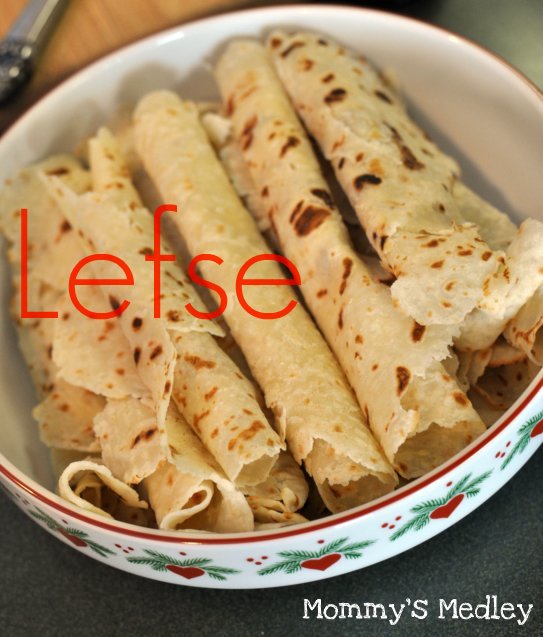
Christmas means lefse time in our household!
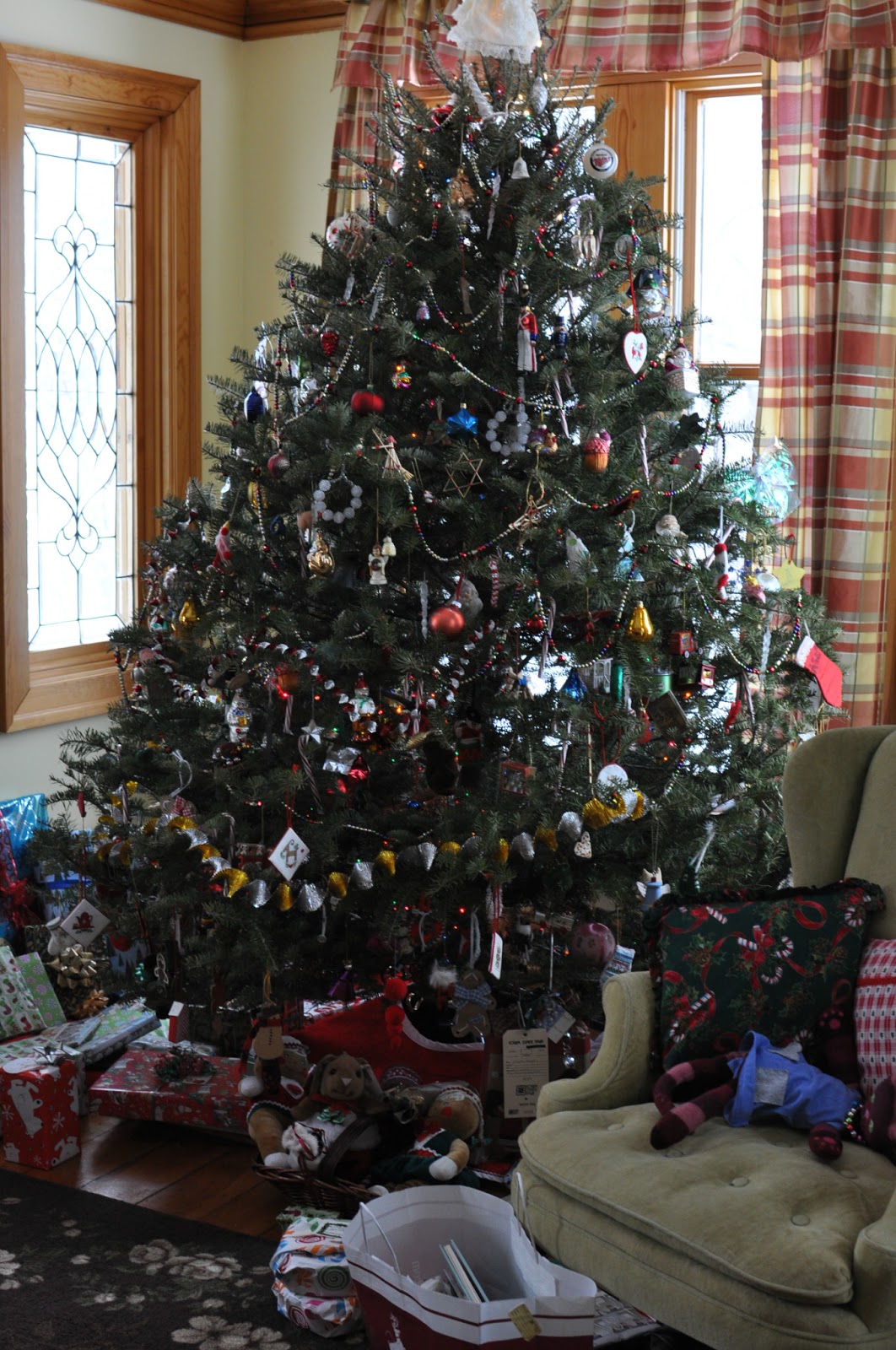
Christmas has always been celebrated on my side of the family on Christmas Eve.  Originally, it was just the four of us – my parents, sister, and me.  We would make Christmas dinner, go to the candlelight church service, and then come home to bundle up and ice skate on the pond by the light of only the moon and a bonfire.  After skating, we would head back to the house and open the family gifts.  Then, we would go to bed with visions of sugar plum fairies dancing through our heads.  On Christmas morning, we would awake early, open Santa gifts and our stockings, eat too much candy, then force down some healthy breakfast.  We would then load up the car and head off to Minneapolis to visit the extended family.

As more family members were added to my family, this turned out to be a fortunate way to celebrate Christmas for in laws and made it easier to celebrate with Eric’s family on Christmas Day.  The older I get, the more I enjoy Christmas.  To see Christmas through Greta’s eyes has made Christmas the most joyful it has ever been.
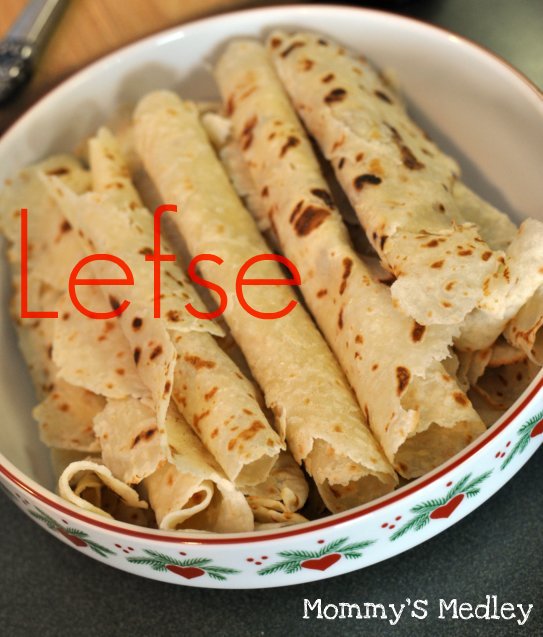
This year, we started Christmas Eve by making lefse in the morning.  My mom mixed up the dough for it the morning before.  Lefse is a Norwegian treat made from potatoes and cooked on a special lefse griddle.  They look like something between a crepe and a tortilla but taste like nothing else.  To those who have tasted homemade lefse, store bought is not even an option.  As a kid, I remember my parents making lefse on a cast-iron skillet and filling the house with smoke.  My mother remembers her grandparents making lefse and using all Norwegian to hide the bad words from the kids.  Lefse can be tricky and requires special cooking utensils, which I will show in a moment.  This year I knew I had to document this wonderful food, some day I will be relied upon to make this delicacy and I had better start paying attention and stop taking it for granted!
Just so you are prepared, this is a lengthy post – making lefse is quite the process.
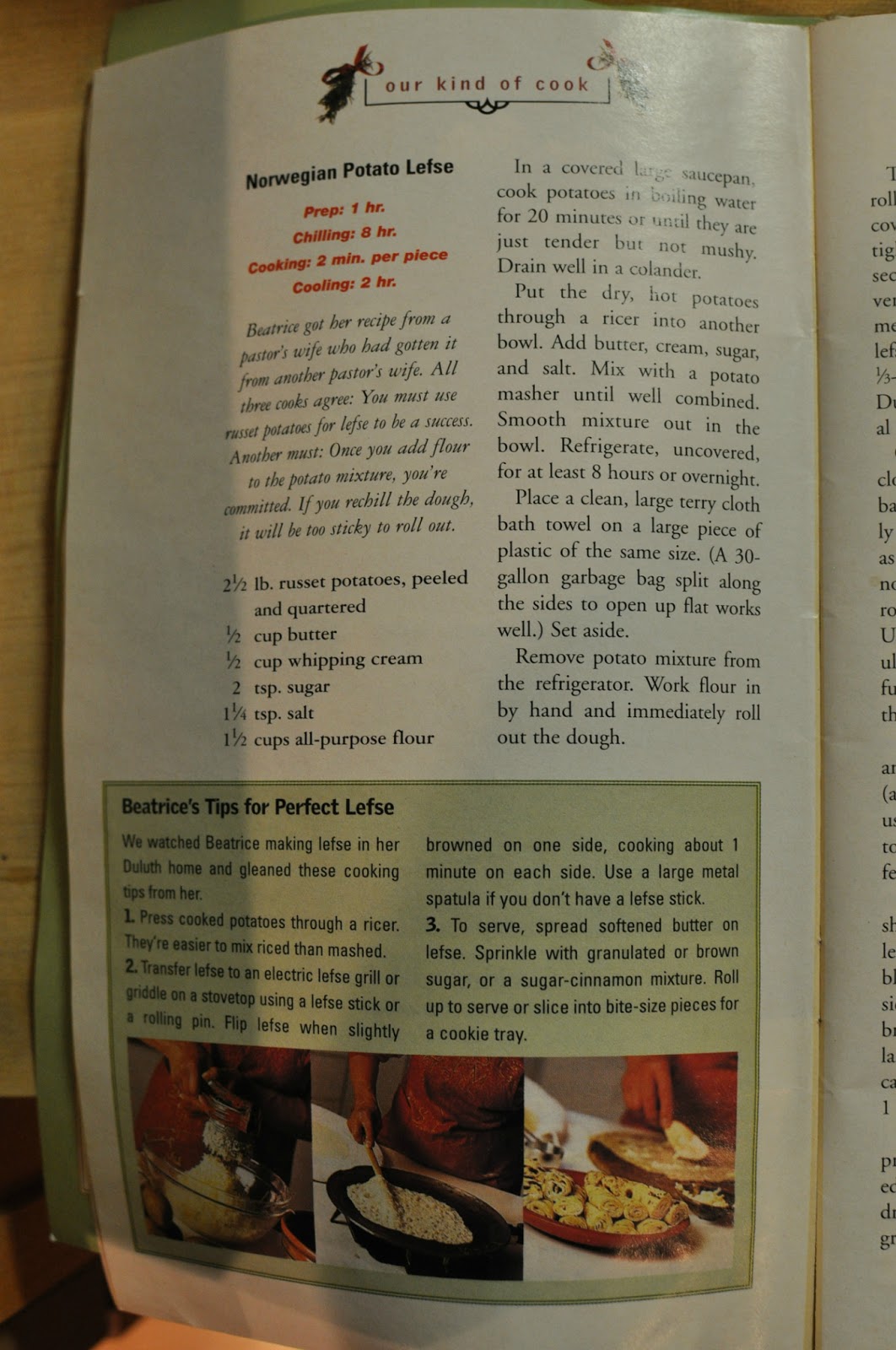
The recipe my mom uses is from Beatrice Ojakangas from Duluth, Minnesota.  The recipe is from the Better Homes and Gardens publication Hometown Cooking.


Beatrice got her recipe from a pastor’s wife who had gotten it from another pastor’s wife.  All three cooks agree: You must use russet potatoes for lefse to be a success.  Another must: Once you add flour to the potato mixture, you’re committed.  If you re chill the dough,  it will be too sticky to roll out.  
According to Beatrice there are a couple tips for making perfect lefse.  
1. Press cooked potatoes through a ricer.  They are easier to mix than mashed.
2. Transfer lefse to an electric lefse grill or griddle on a stove top using a lefse stick or rolling pin.  Flip lefse when sightly browned on one side, cooking about 1 minute on each side.  Use a large metal spatula if you do not have a lefse stick.
3. To serve, spread softened butter on lefse.  Sprinkle with a sugar-cinnamon mix.  Roll up to serve.
There are a couple of tools that will make lefse making a lot smoother for you.  A great place to purchase these items is at Ingebretsen’s in Minneapolis.  They have quite the variety of lefse goodies.
Here are my lefse recommendations:
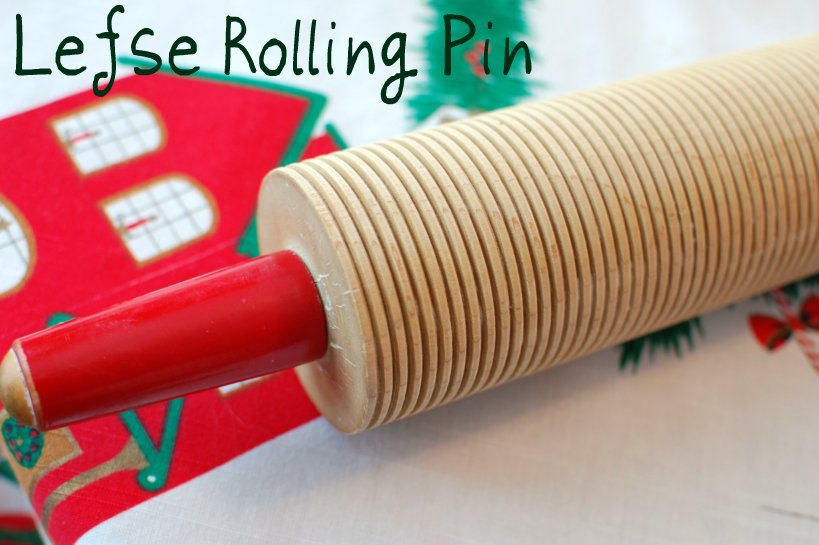
The grooves in the Lefse Wood Rolling Pin  allow flour to be pressed in, preventing the lefse from sticking too much and creating a more even rolling thickness.
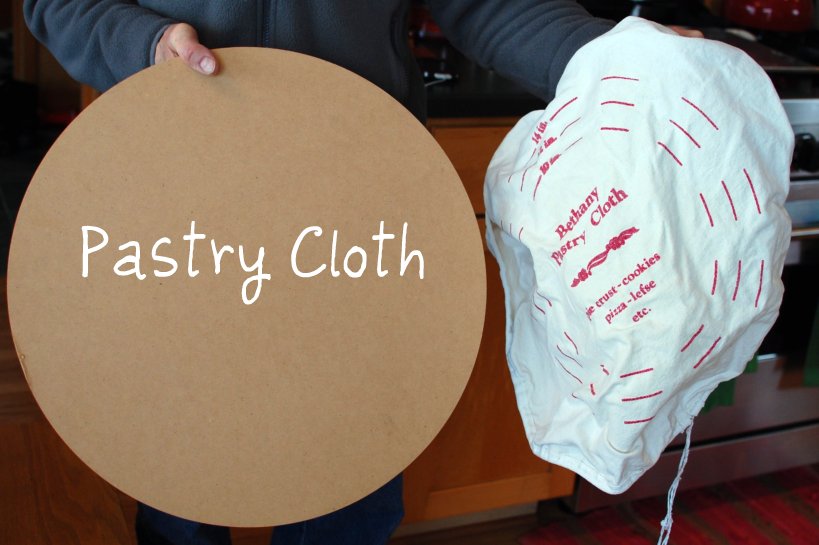
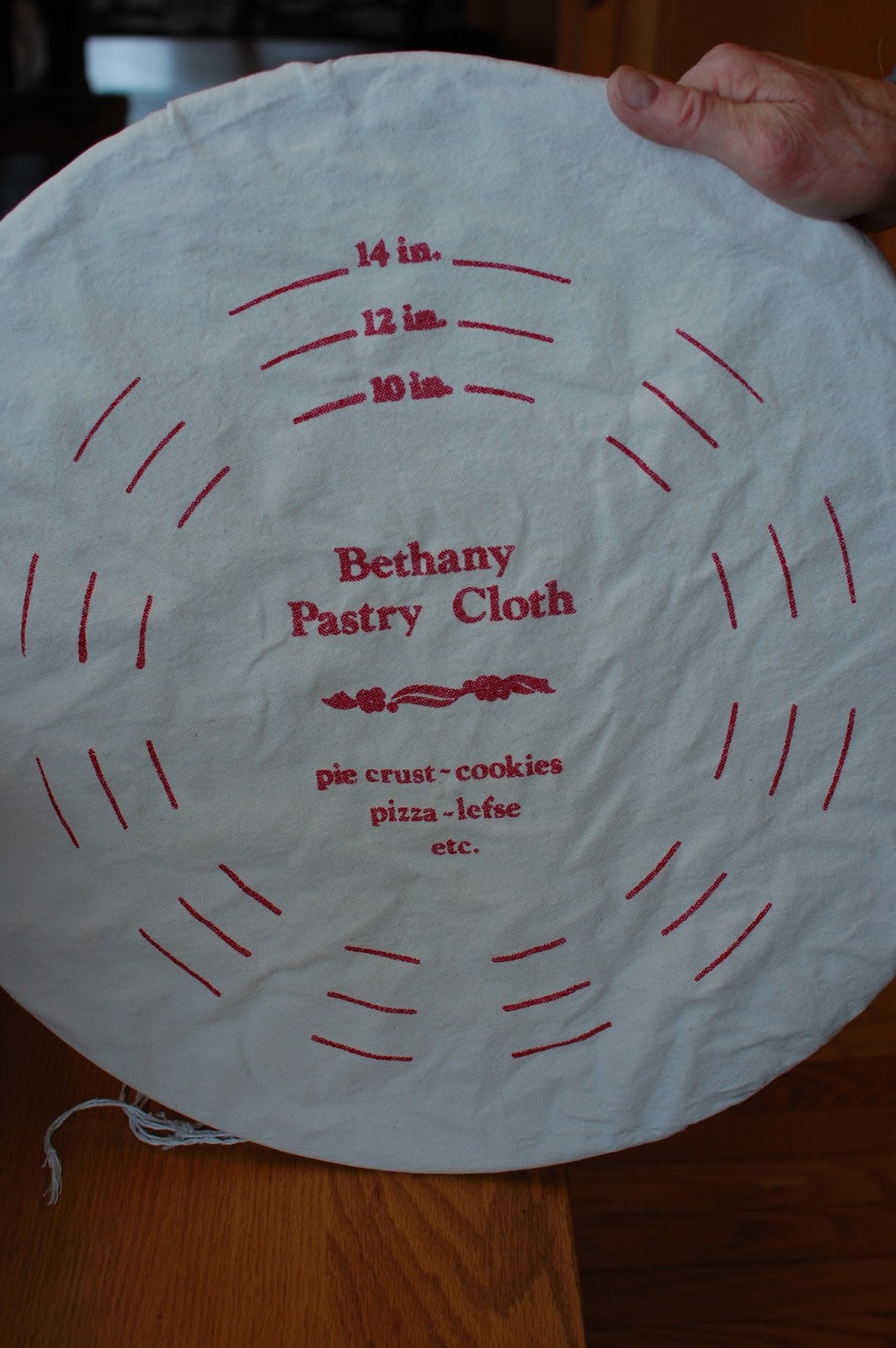
 

The Pastry Board and Cloth Set enable a better rolling surface.  It will also help in creating an even size of lefse pieces.
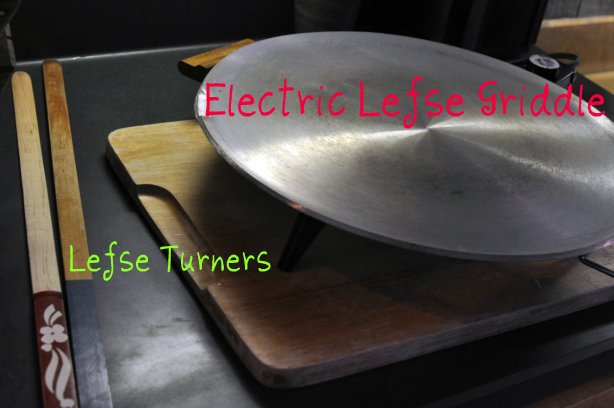
The long, thin Lefse Turning Stick make moving the dough and flipping the cooking lefse a breeze.  The electric Heritage Lefse Grill is a must in keeping the temperature consistent and preventing your house from becoming a smoky mess. Since the griddle gets so hot and you use it for over an hour, you’ll want to put a wooden board under the griddle. It will still warm up the board, but your counter should be fine.
If you are ready, here we go!
In a large covered saucepan, cook 2-1/2 lb. russet potatoes, peeled and quartered in boiling water for 20 minutes or until they are just tender  but not mushy.  Drain well in a colander.
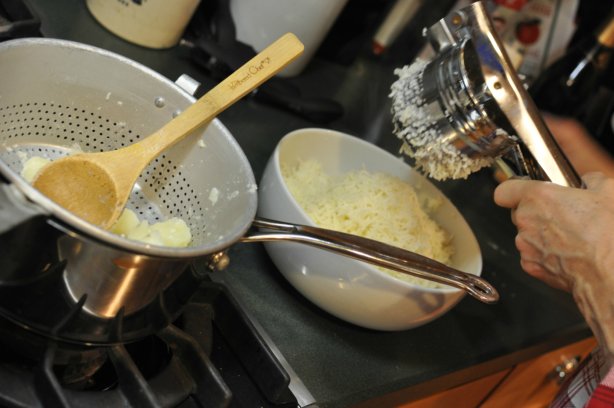
Put the dry, hot potatoes through a ricer into another bowl.
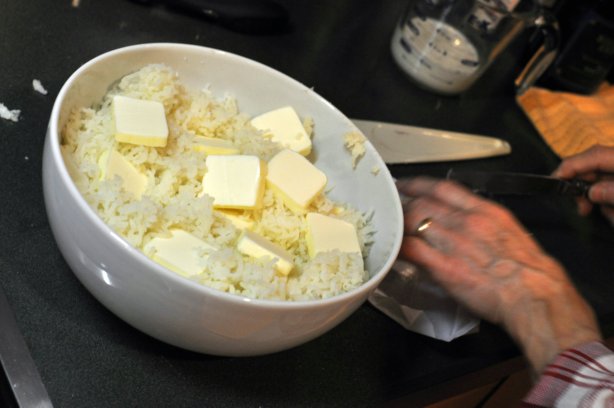
Add 1/2 cup butter, 
1/2 cup whipping cream,
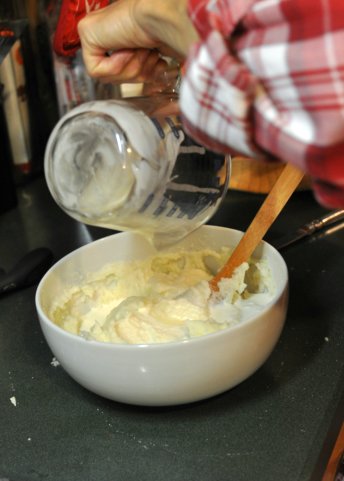
and 2 teaspoons sugar.
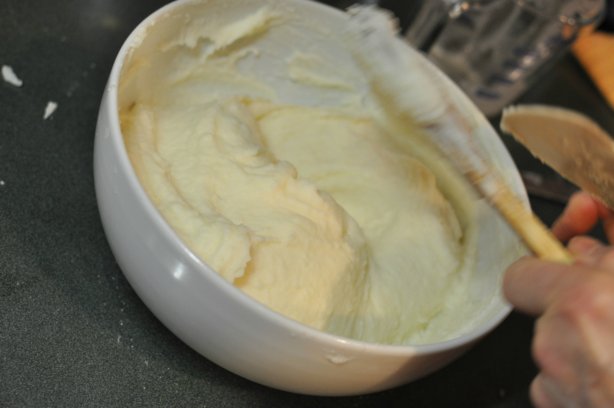
 

Mix well and smooth mixture out in the bowl.  Refrigerate, uncovered, for at least 8 hours or overnight.
Remember, once you start adding flour, you are committed.  Remove potatoes from the refrigerator, work 1-1/2 cups flour in by hand and immediately being the hour-long process of rolling out the dough.  You need a helpful partner to make this process go quicker and smoother.  Otherwise, you are looking at about 3 hours of cooking and rolling time. 
 
Prepare terry cloth towels and a large piece of plastic – plastic wrap or a garbage bag cut down the sides.  The plastic should be the same size as the towel.  These will be used to cover the cooked lefse as you roll and cook more.
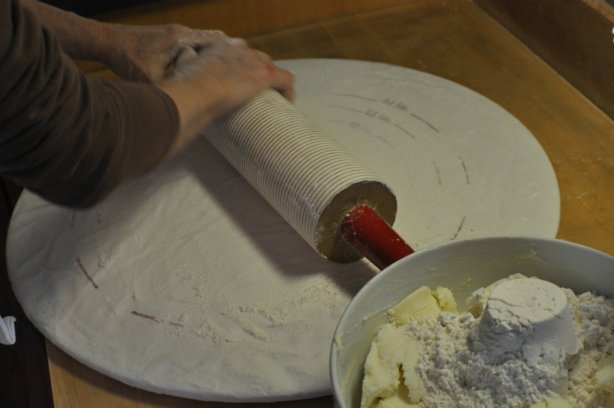
 

To roll out dough, cover a lefse rolling pin in flour. Stretch your pastry cloth over the board; fasten securely.
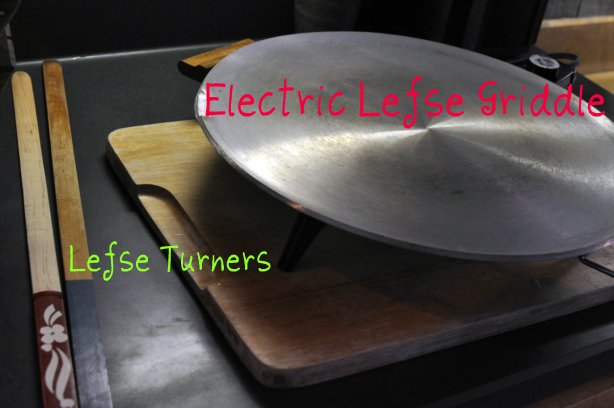
 

Heat the ungreased griddle over medium heat, or preheat lefse griddle.  Without a lefse griddle, you will be extremely frustrated, as the temperature for cooking lefse should be at 500 degrees.  You and your partner will be hollering, windows will be open, and smoke alarms will be ringing without the lefse griddle.  Trust me, I know.  


Generously flour the pastry cloth and rolling pin.


 Flatten a ball of dough, the size of a walnut.
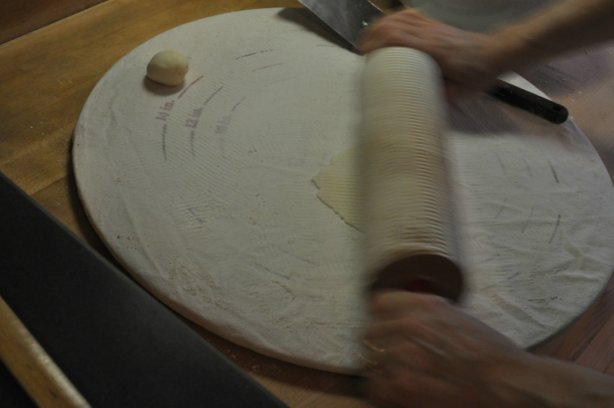
 

Roll out as thin as you can, adding more flour as necessary, and being careful not to let the dough stick to the rolling pin or the pastry board.
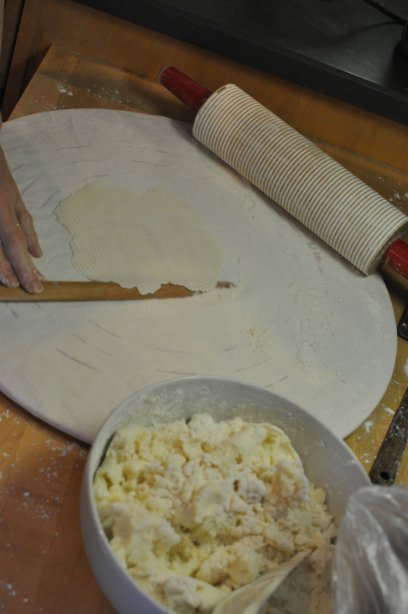
Using a lefse stick, loosen the dough often, carefully pushing the stick between the dough and the pastry board.
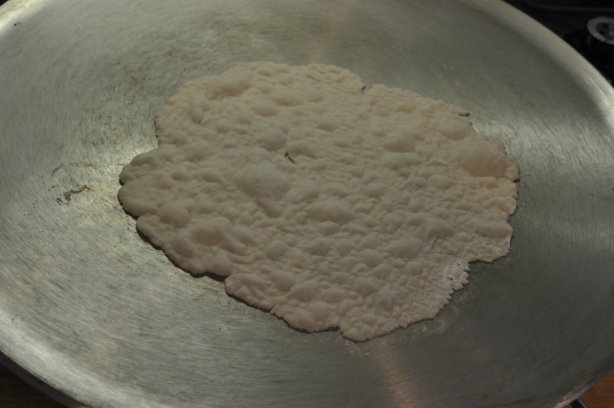
 

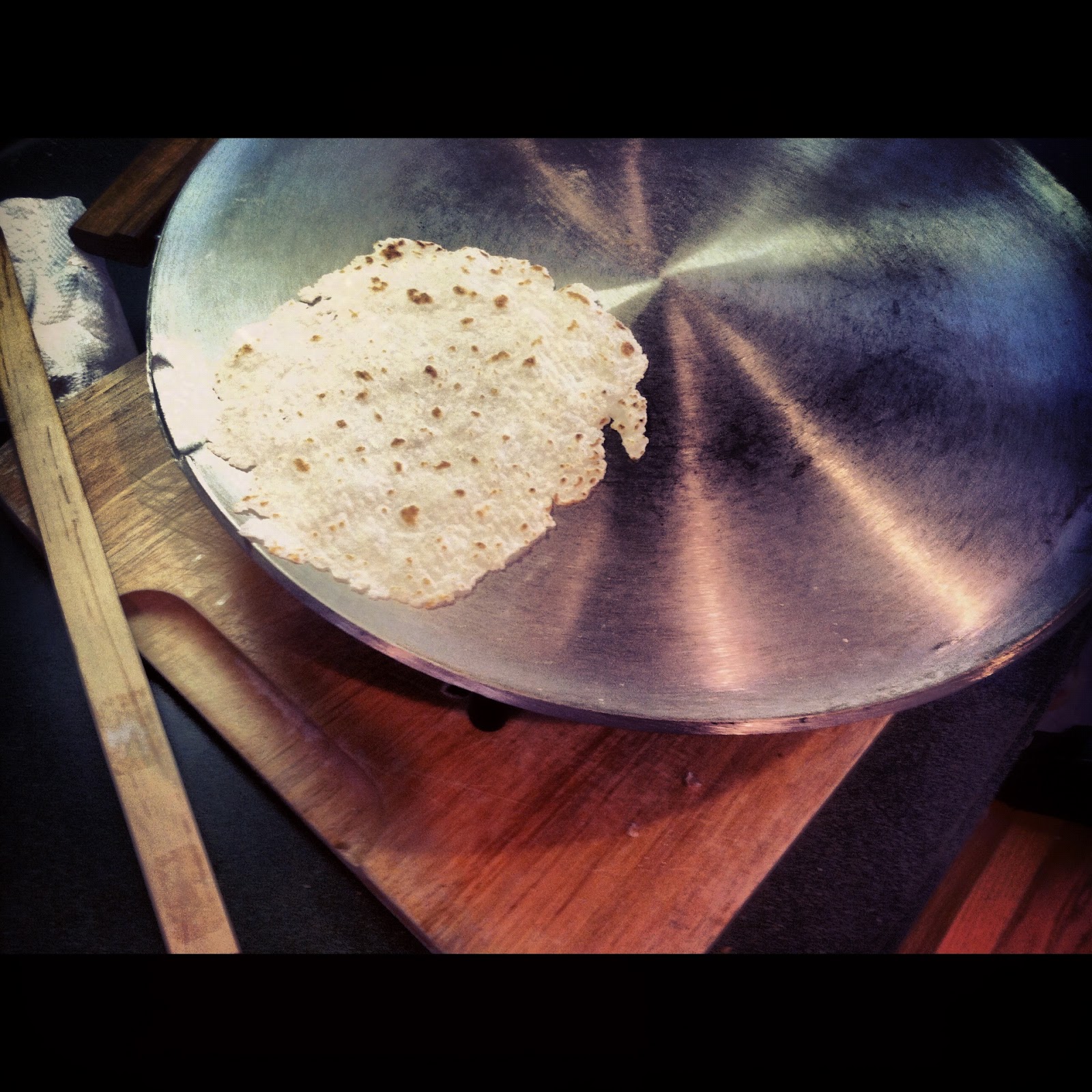
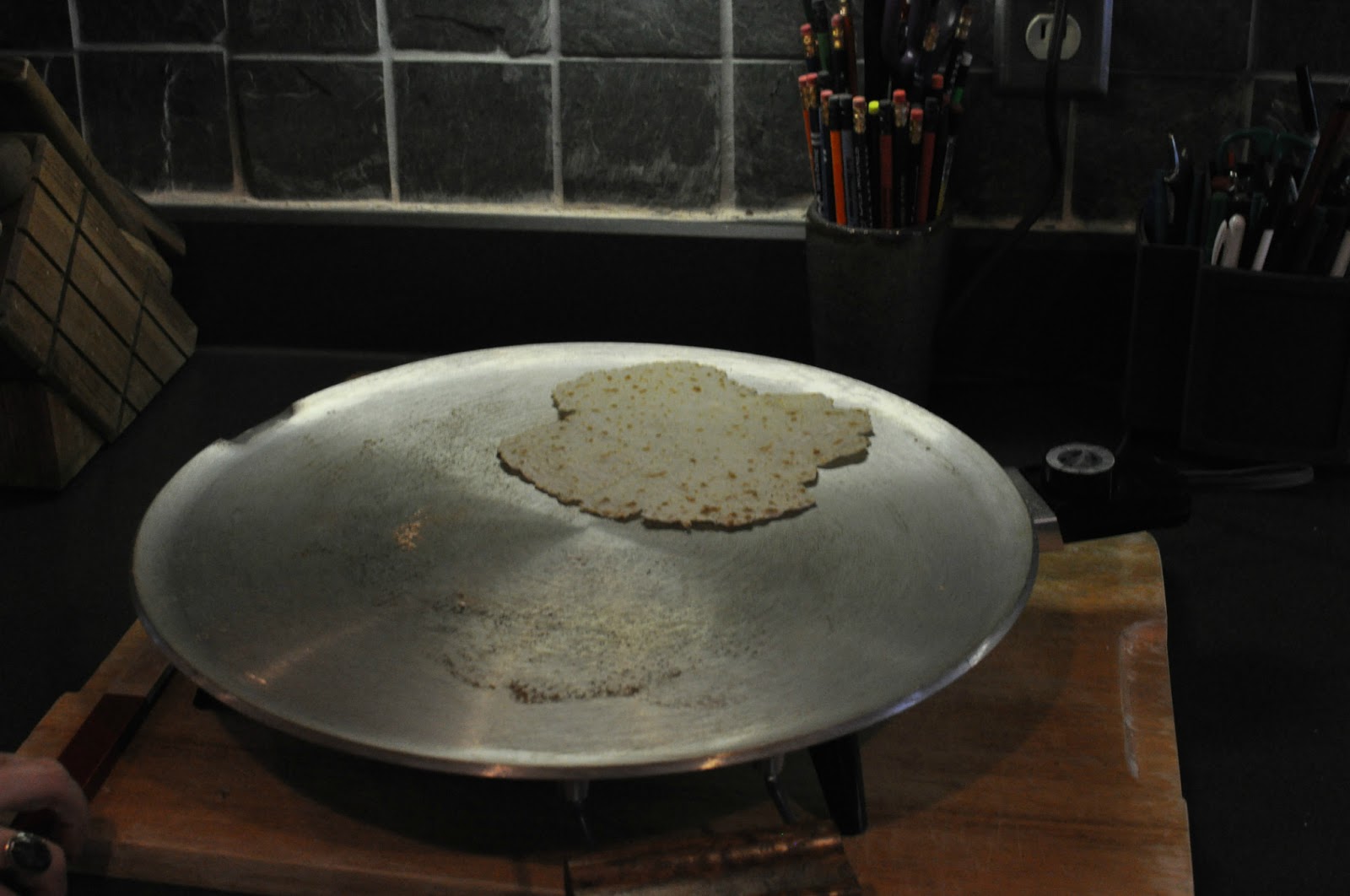
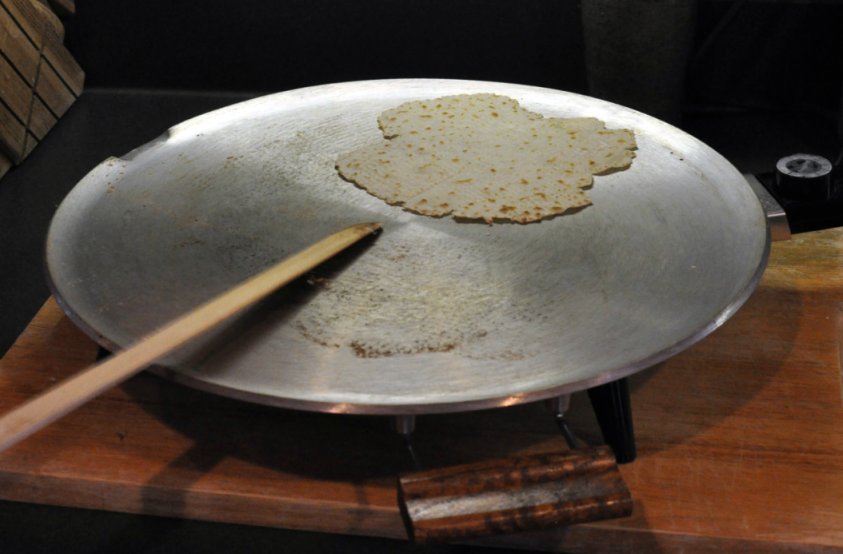
When the dough is as large and as thin as you can make it, use the lefse stick to pick up the round and transfer it to the hot griddle.  The lefse griddle should be hot enough that the lefse immediately begins to bubble, as shown above.
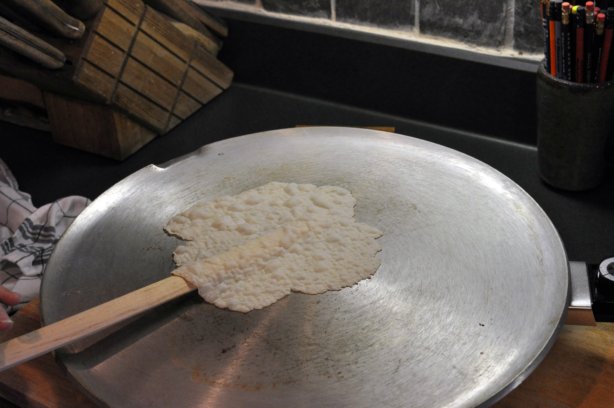
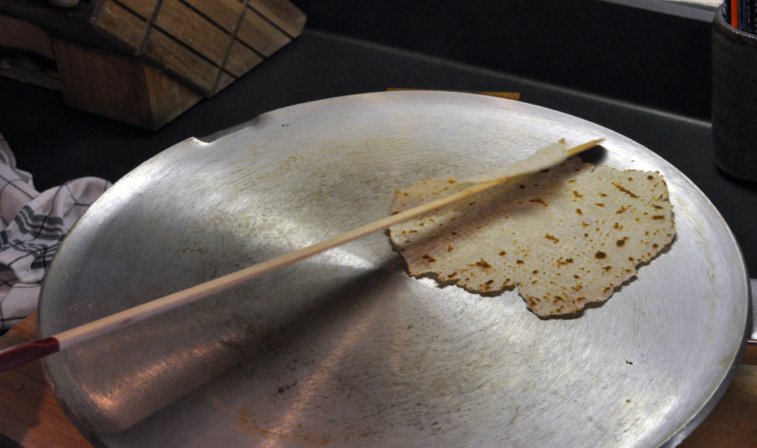
 

When a peek at the cooking side shows a surface of nice brown dots, see above, slide the stick under the lefse, and carefully flip it over.  Allow about 1 minute per side.  Reduce heat, if necessary, to prevent over browning.  If the edges of the lefse begin to get dry, brown, and curl, you are grilling the rounds too long.  If the lefse is not browning well, but remaining light-colored, the griddle temperature is too low.
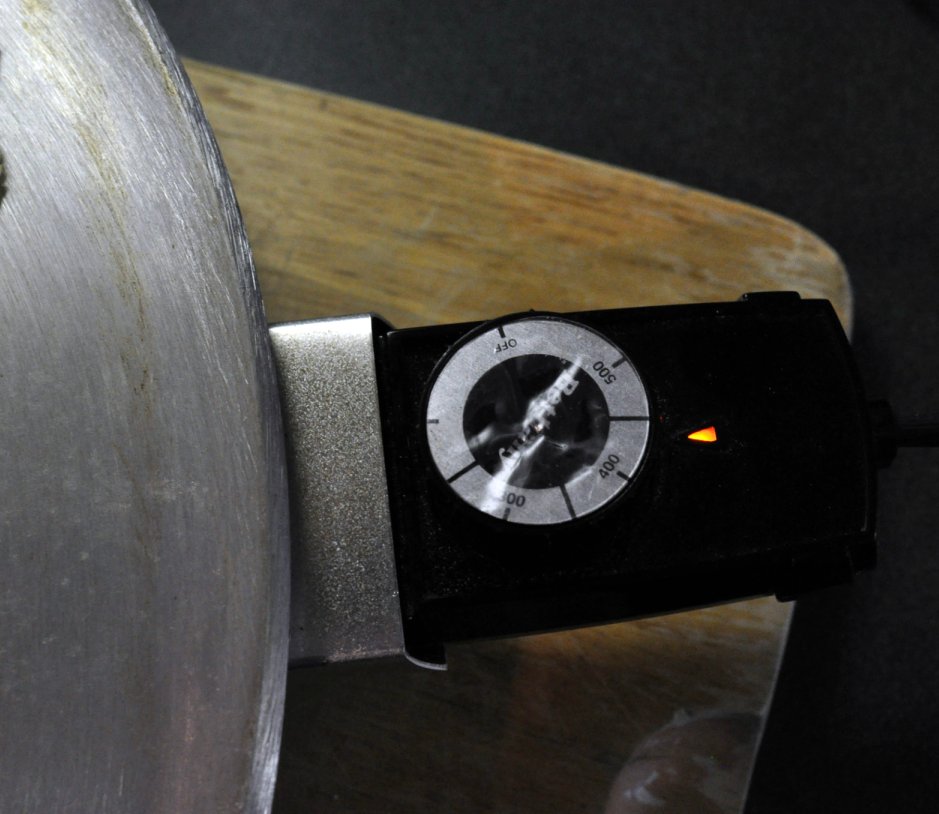
The nice thing about having a lefse griddle, is keeping the temperature consistently high – 500 degrees. When flour begins to build up on the lefse griddle, use a wadded up dry paper towel to wipe it clean.  This will prevent smoking and scorching of the lefse.
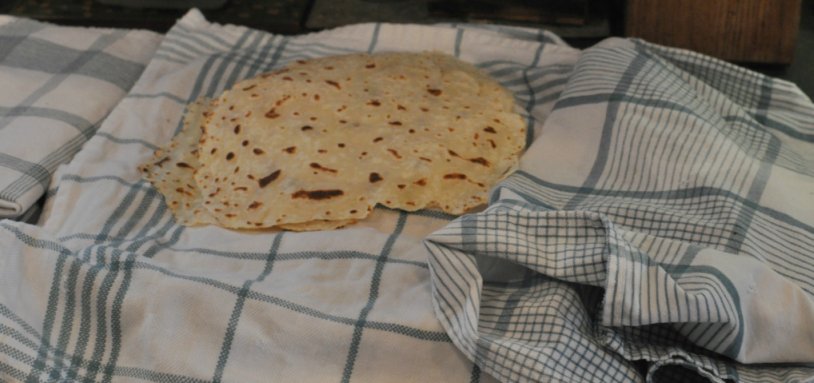
As the lefse is cooked, stack them on one end of a terry cloth towel, folding the other end of the towel and the plastic over the lefse as you cook more dough rounds.  The towel absorbs excess moisture from the lefse  as it cools, and the plastic keeps the moisture inside the towel to prevent drying out too much.
 

Continue rolling out dough, cooking, and stacking on top of each other on the towel.  Let covered lefse stand 2 to 3 hours or until cooled completely.
To serve immediately, spread with softened butter and roll up to eat.  You may also add a sprinkling of cinnamon and sugar, although no real Norwegian would adulterate their lefse in such a way.


Our lefse is ready for our Christmas meal.
To store lefse, carefully peel each lefse off the pile, fold it into quarters, and place in a self-sealing plastic bag.  Refrigerate lefse and use within 2 or 3 days.  Freeze the rest in freezer bags.
 After making lefse and Christmas dinner we prepared to sit down and enjoy one another’s company.
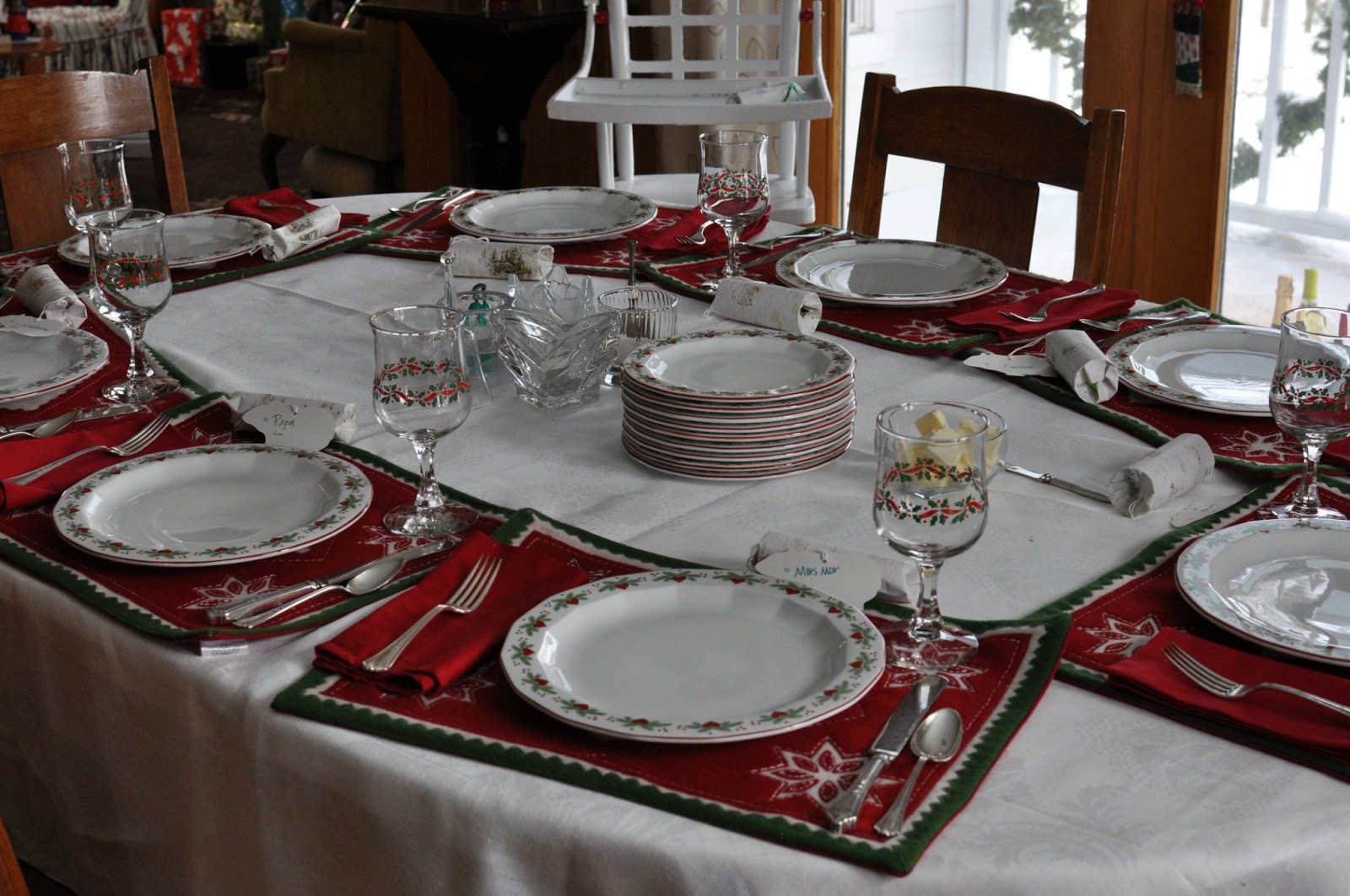
My mom set the table in a festive Christmas setting of Heart & Pine china, white linens, and Scandinavian looking snowflake place mats.


Instead of our usual poppers, my mom created tubes with quotes inside for everyone to share aloud with the group.


The quote tubes were labelled with sparkly polar bears.
Guests were: my parents, Eric, my grandmother, neighbor Gail, and my sister and her husband Brady.


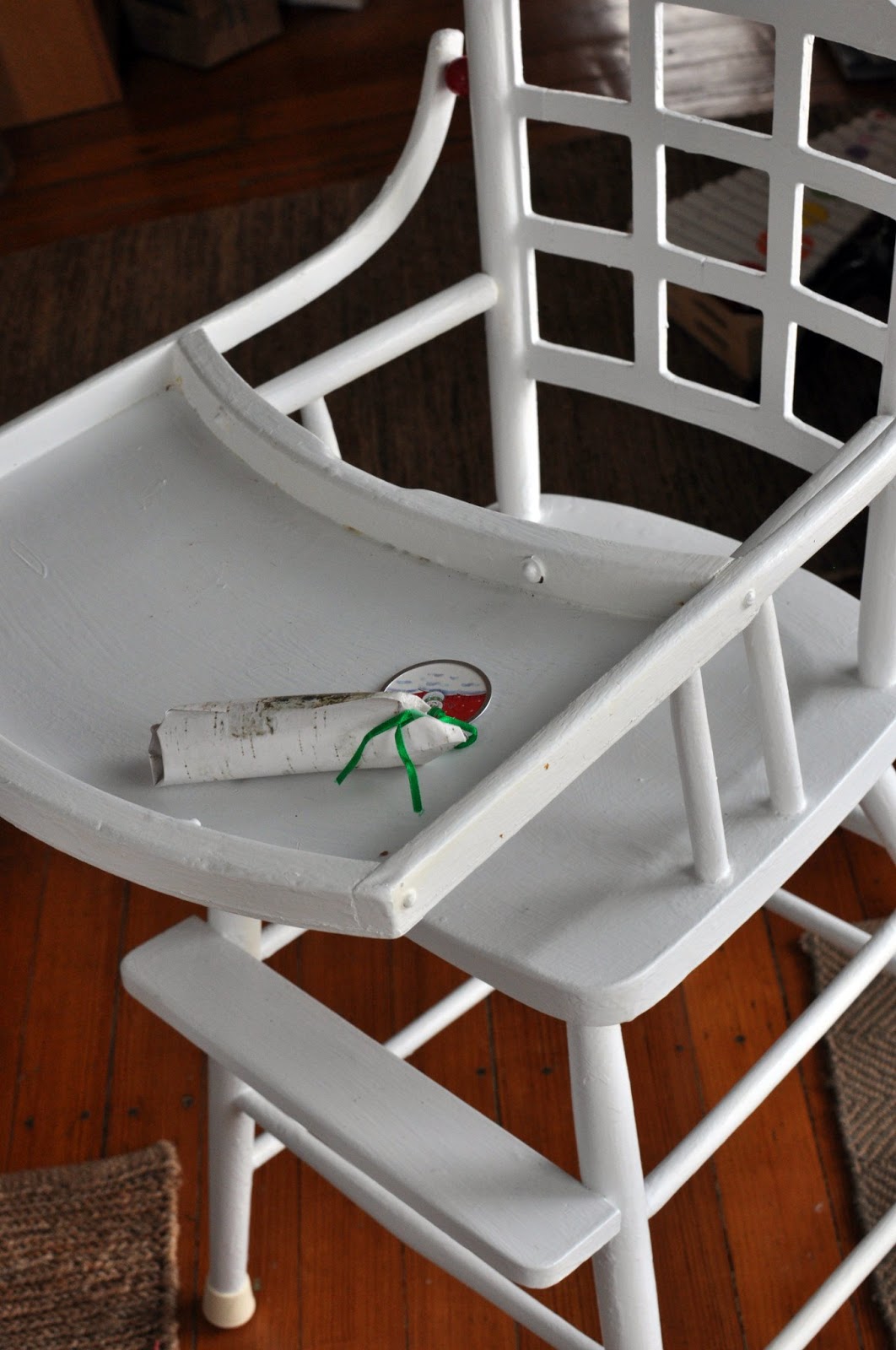
Greta had her own place in her highchair.


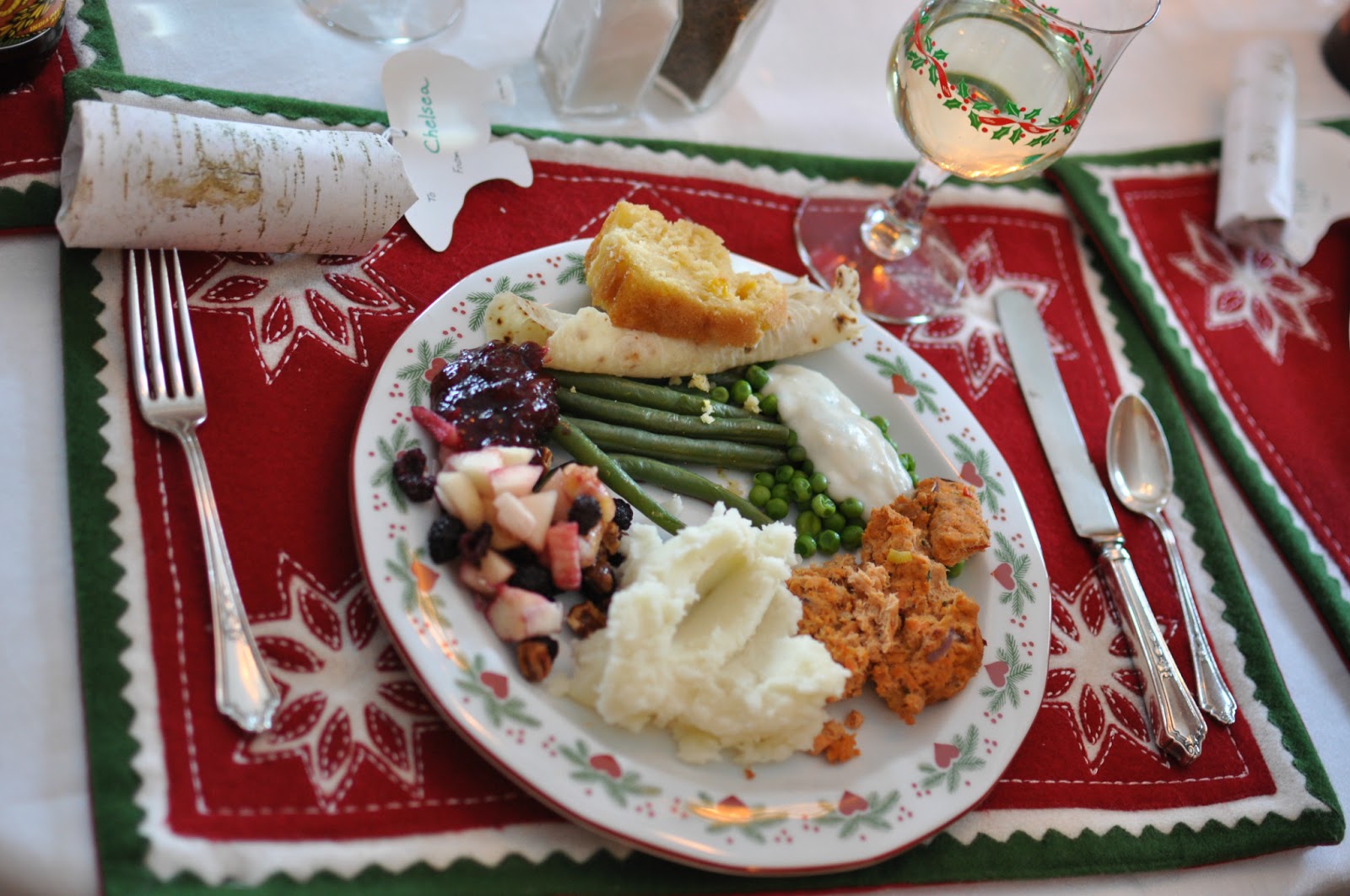
Dinner was salmon cakes, mashed potatoes, green beans, cornbread, lefse, peas with white sauce, cranberry sauce, and fruit salad.  More on cake and my grandmother’s birthday celebration tomorrow.
Lefse
1. In a large covered saucepan, cook 2-1/2 lb. russet potatoes, peeled and quartered in boiling water for 20 minutes or until they are just tender  but not mushy.  Drain well in a colander. 
 
2.  Put the dry, hot potatoes through a ricer into another bowl.  Add 1/2 cup butter, 1/2 cup whipping creamand 2 teaspoons sugar.  Mix well and smooth mixture out in the bowl.  Refrigerate, uncovered, for at least 8 hours or overnight.  
 
3.  Remove potatoes from the refrigerator, work 1-1/2 cups flour in by hand and immediately being the hour-long process of rolling out the dough.  Prepare terry cloth towels and a large piece of plastic – plastic wrap or a garbage bag cut down the sides.  The plastic should be the same size as the towel.  These will be used to cover the cooked lefse as you roll and cook more. 
 
4.  To roll out dough, cover a lefse rolling pin in flour. Stretch your pastry cloth over the board; fasten securely.  Heat the ungreased griddle over medium heat, or preheat lefse griddle.  Generously flour the pastry cloth and rolling pin.  Flatten a ball of dough, the size of a walnut.  Roll out as thin as you can, adding more flour as necessary, and being careful not to let the dough stick to the rolling pin or the pastry board.  Using a lefse stick, loosen the dough often, carefully pushing the stick between the dough and the pastry board.  
 
5. When the dough is as large and as thin as you can make it, use the lefse stick to pick up the round and transfer it to the hot griddle.  The lefse griddle should be hot enough that the lefse immediately begins to bubble, as shown above.  When a peek at the cooking side shows a surface of nice brown dots, see above, slide the stick under the lefse, and carefully flip it over.  Allow about 1 minute per side.  Reduce heat, if necessary, to prevent over browning.  If the edges of the lefse begin to get dry, brown, and curl, you are grilling the rounds too long.  If the lefse is not browning well, but remaining light-colored, the griddle temperature is too low.  
 
6. As the lefse is cooked, stack them on one end of a terry cloth towel, folding the other end of the towel and the plastic over the lefse as you cook more dough rounds.  The towel absorbs excess moisture from the lefse  as it cools, and the plastic keeps the moisture inside the towel to prevent drying out too much.  Continue rolling out dough, cooking, and stacking on top of each other on the towel.  Let covered lefse stand 2 to 3 hours or until cooled completely.  
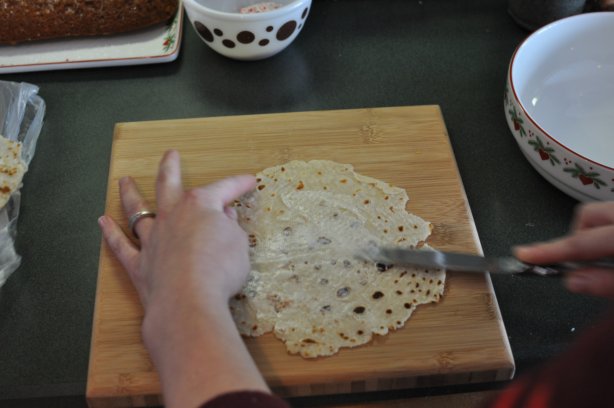
 
7.  To serve immediately, spread with softened butter and roll up to eat.  You may also add a sprinkling of cinnamon and sugar, although no real Norwegian would adulterate their lefse in such a way.  To store lefse, carefully peel each lefse off the pile, fold it into quarters, and place in a self-sealing plastic bag.  Refrigerate lefse and use within 2 or 3 days.  Freeze the rest in freezer bags.  



6 State Tour – NC to IA

Home for Christmas via cell phone photos.
We left after work and headed west to avoid the snow storms in West Virginia and Virginia.  We hit the mountains of Western North Carolina and Tennessee in the dark. 

We stayed in a Red Roof Inn in Lexington, Kentucky with our dog, child, presents, and luggage.  Greta was greatly intrigued by the safe and its light up buttons. 

We started early the next morning.  It was much colder than North Carolina and the rocky roadsides in Kentucky were filled with icicles from the frozen underground water oozing out. 

It was a beautiful morning with little traffic. 

We saw all the signs for the Kentucky Bourbon Trail – maybe another time we will have the time to stop and taste.

One of my favorite parts of the drive to Iowa would have to be the river crossings.  This is the bridge that spans the border to Indiana. 

Love the lines on the bridge.

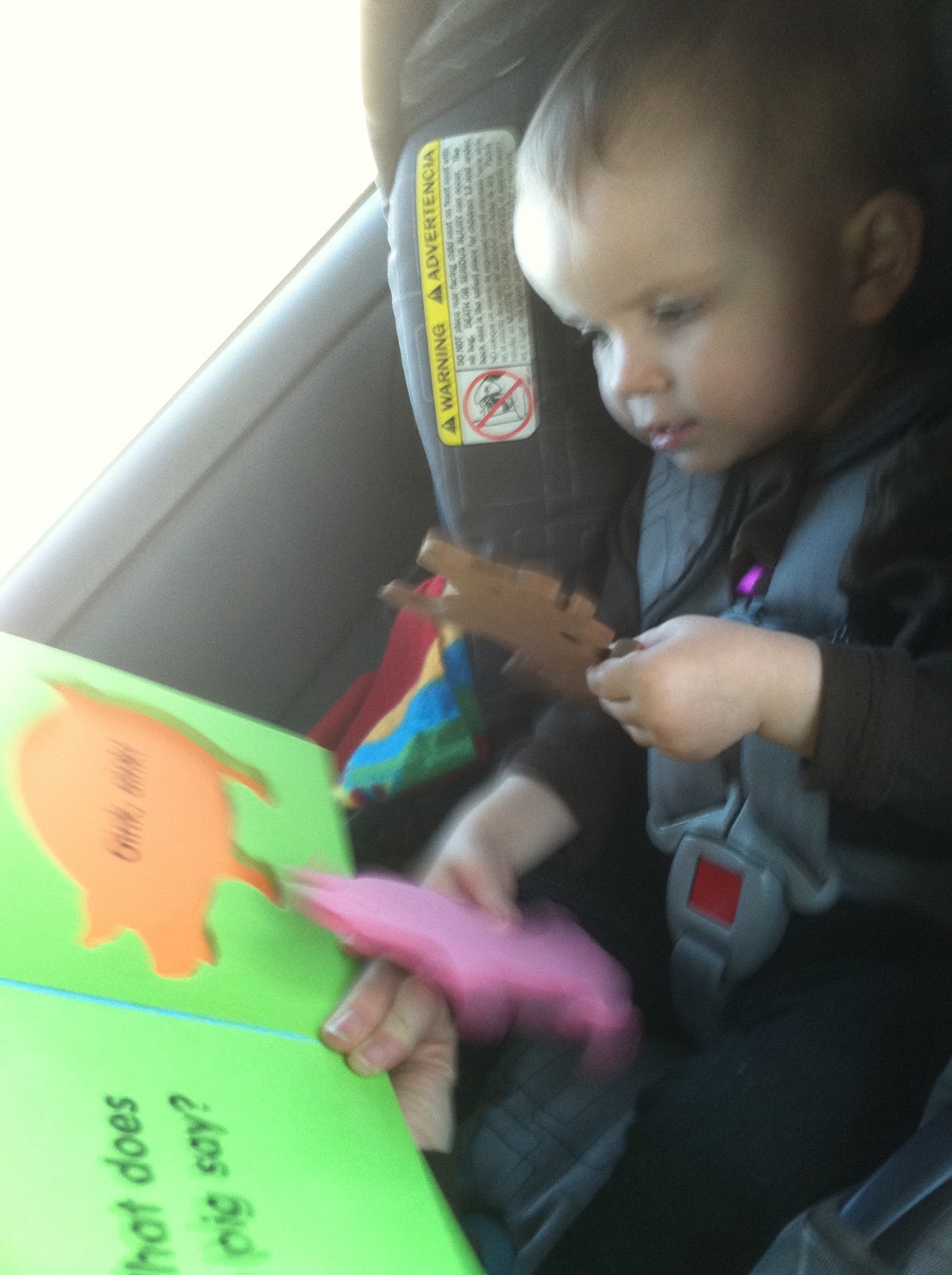
Greta was a trooper and stayed busy between naps with books and toys.

Sights along 74.
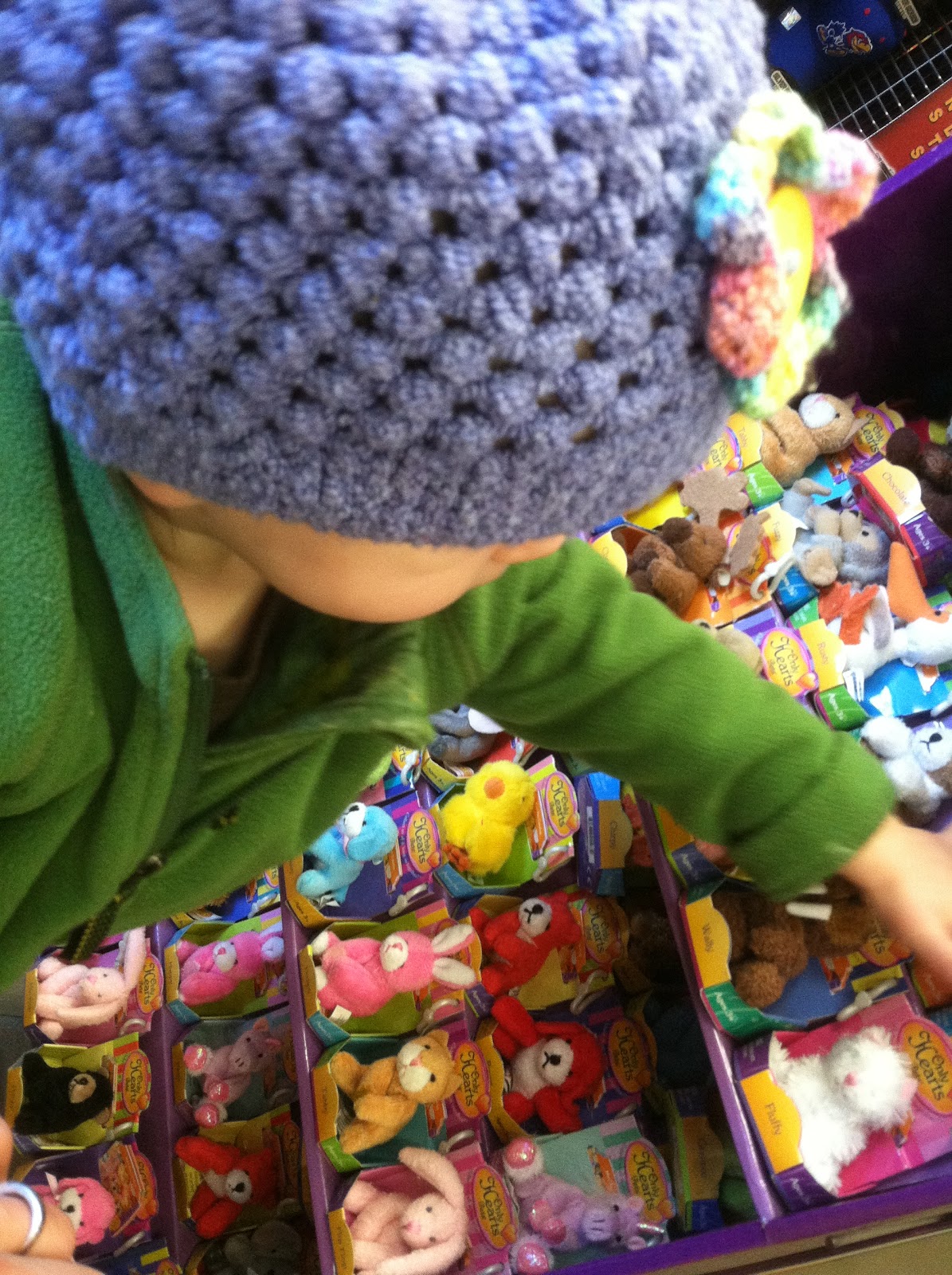
Truck stops are better than toy stores!

The plains were quickly becoming more and more snowy.

Illinois is a big, flat state. 

Hi to Kewanee for David!

We had really good chocolate snacks to keep us from being too hungry. 

Finally, the Mississippi River and…

Iowa!

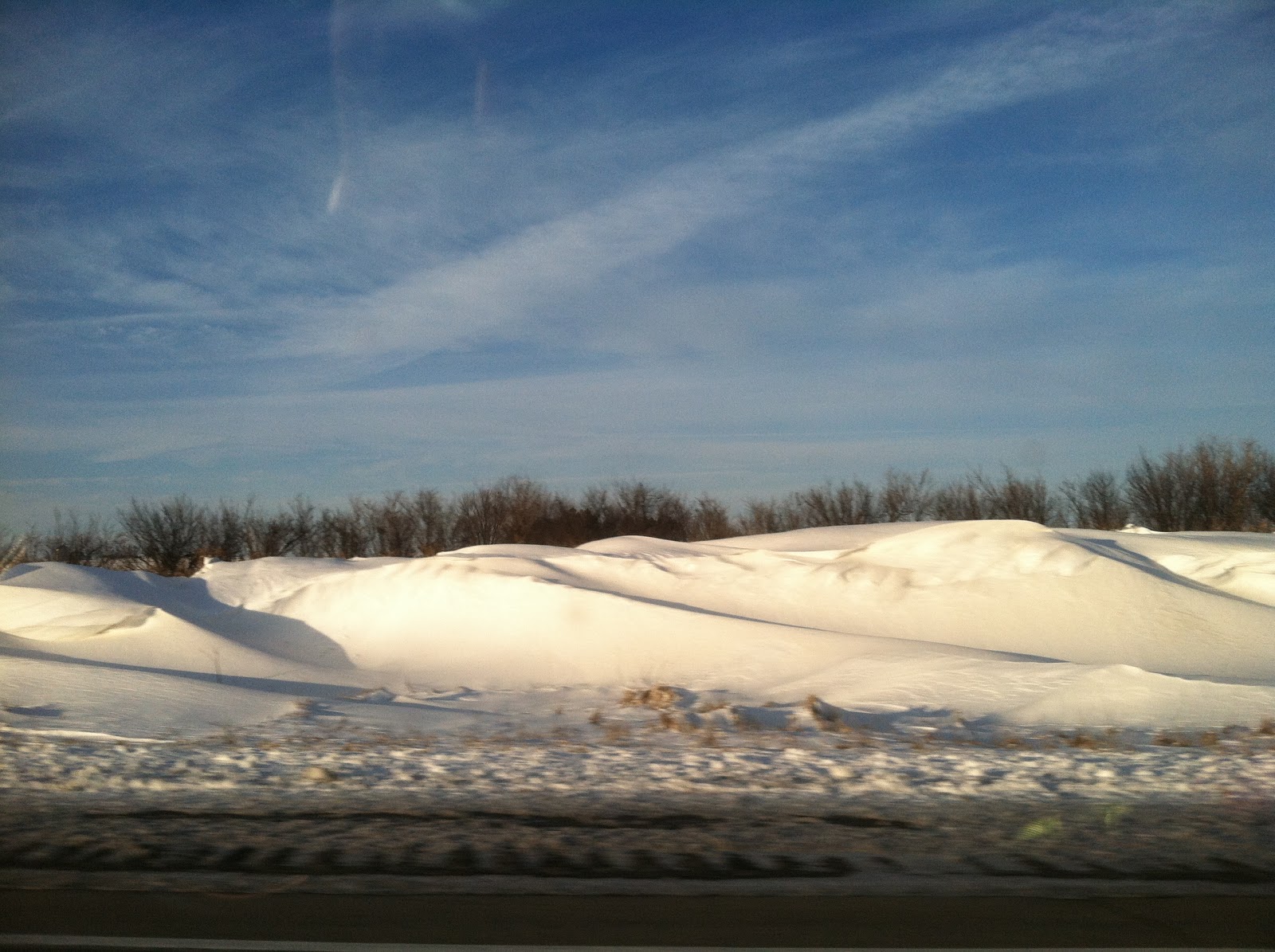
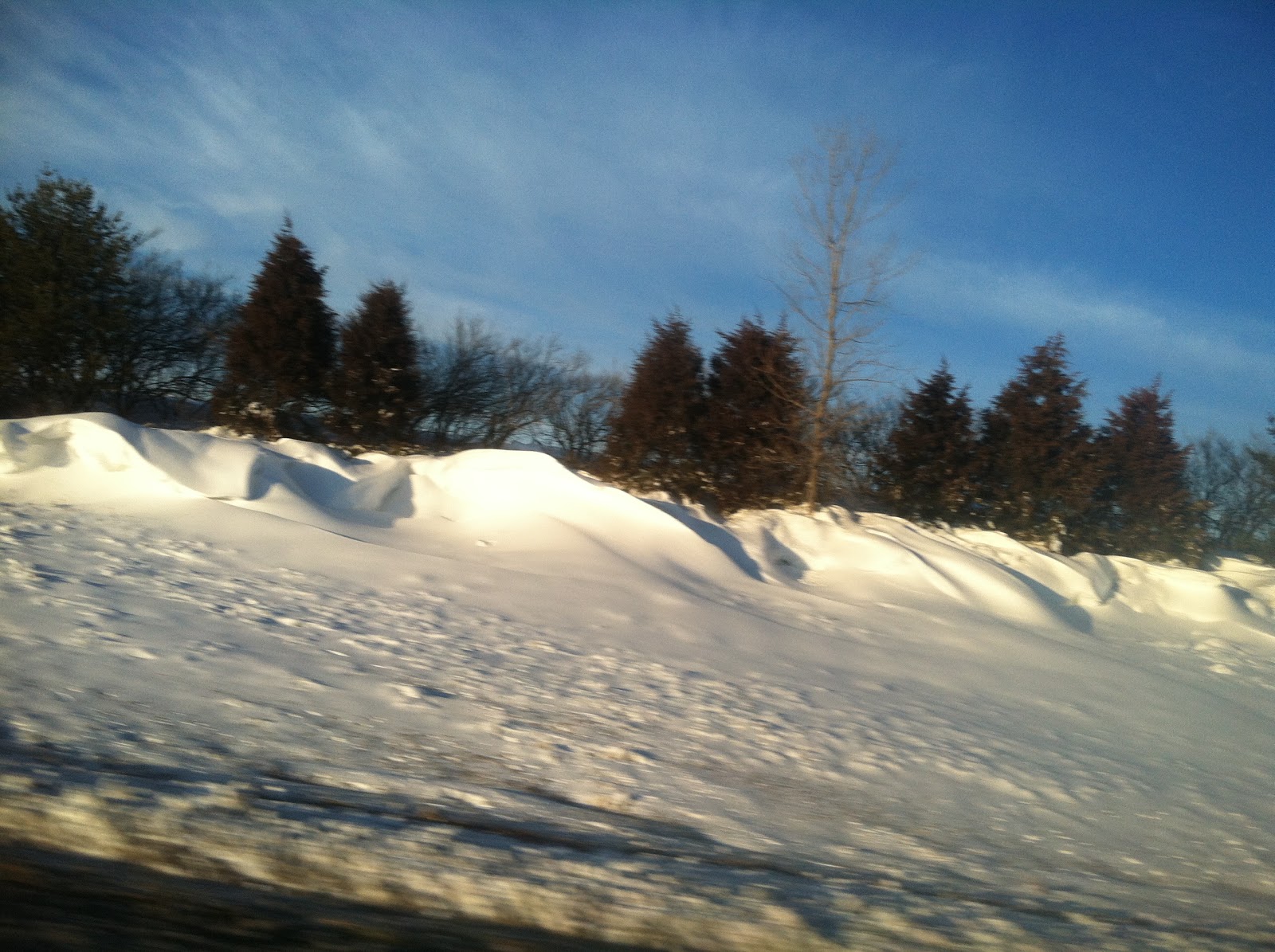
Where it was obvious that Iowa had gotten slammed with snow.

The wind carvings in the snow along I-80 were impressive at times. 

The semis stuck in the snow were a frightening reminder of winter driving. 

Brownie kept watch on the Iowa countryside during a traffic jam.  The hawks were keeping her entertained.

We got in later than we hoped, but got to see a beautiful Iowa winter sunset.

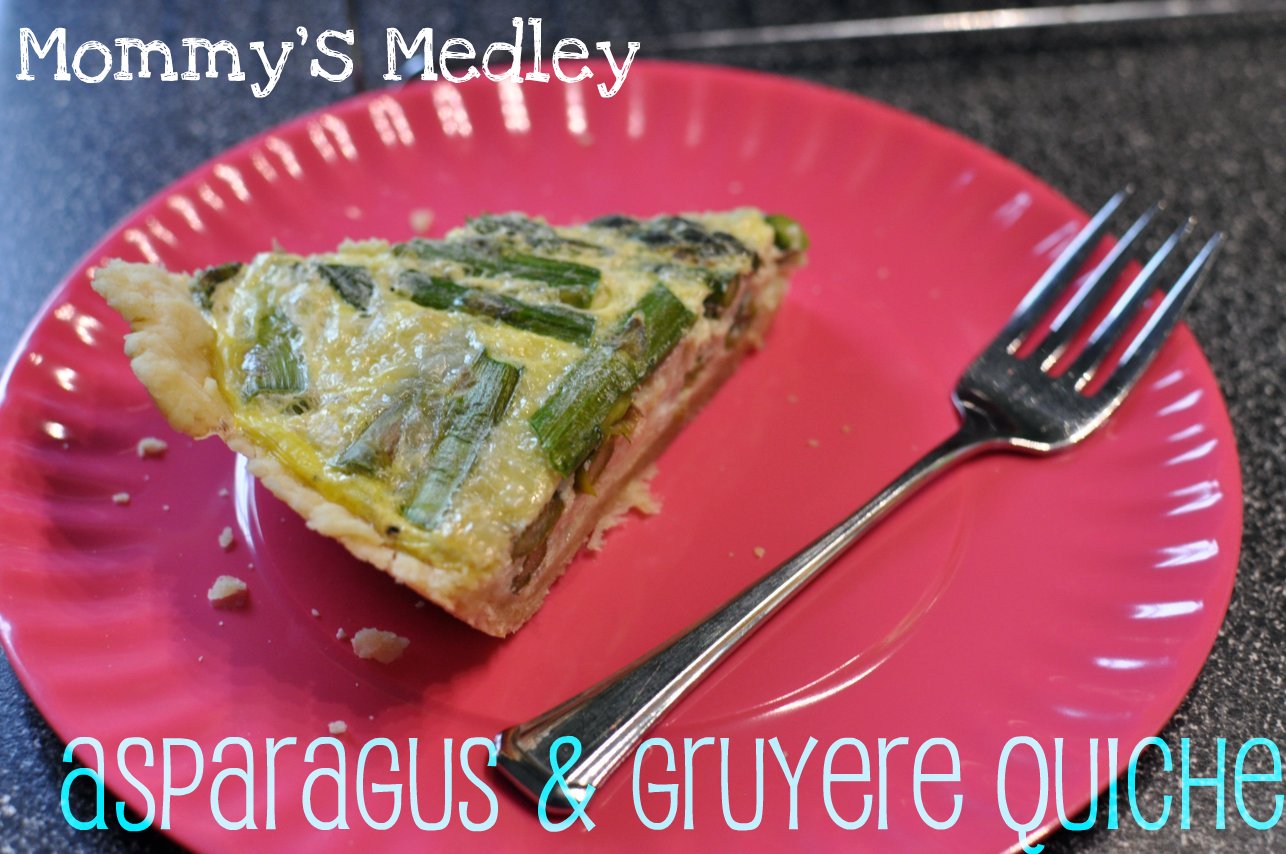
Asparagus & Gruyere Quiche

Quiche is easily one of the most satisfying and tasty any time of the day meals, if you ask me.  Everyone in my family loves it – well except my sister.  Poor thing hates eggs and my parents have raised chickens specifically for eggs since we were middle school students. 
 Anyway, I adapted this recipe slightly from a Martha Stewart recipe I had torn out of Everyday Food from 2009.  I am absolutely terrible about magazine pages, images, and clippings.  Eric hates finding my little magazine nests.  I attribute this to my love of making collage art.  
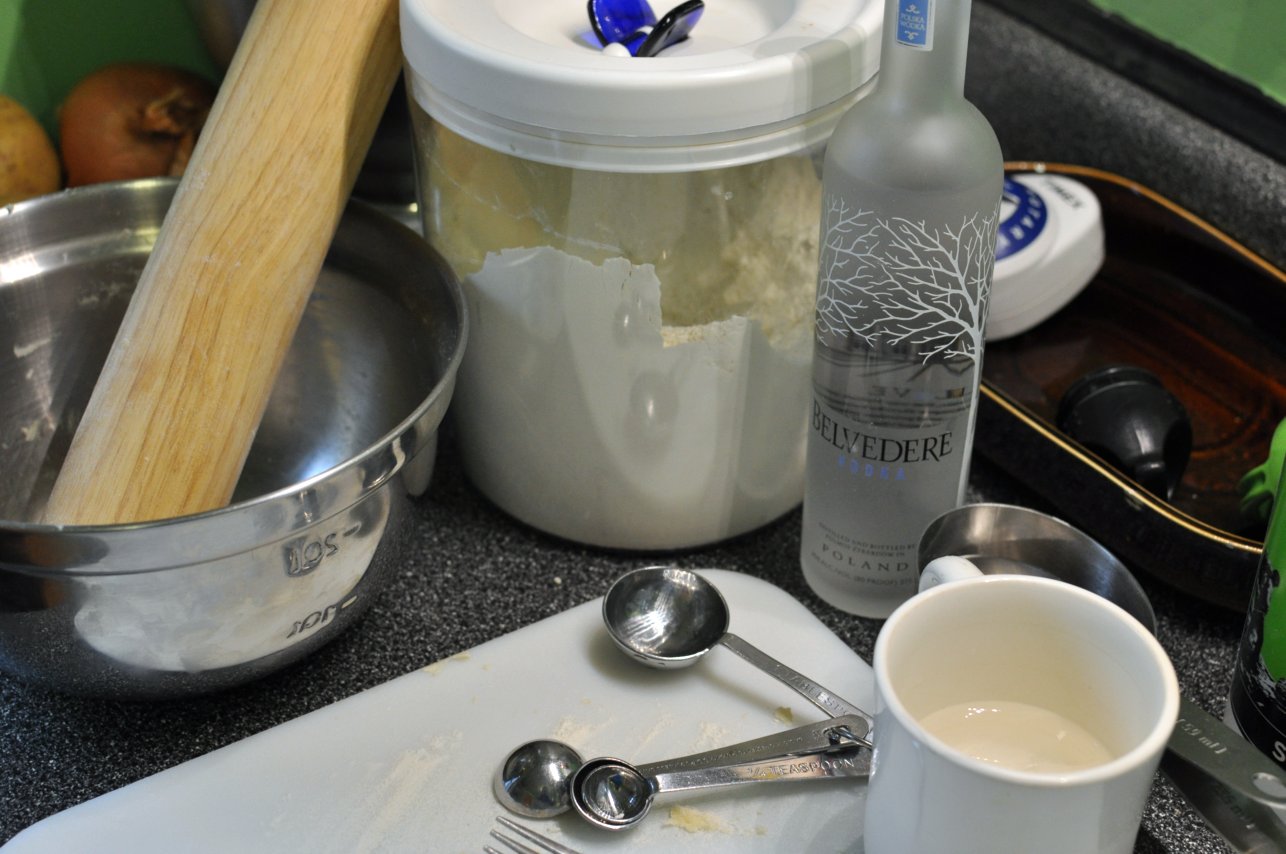
I started with my vodka and ice water crust, using a half and half ratio of water and vodka.  I finally ran out of the Ciroc vodka and have moved on to Belvedere.  

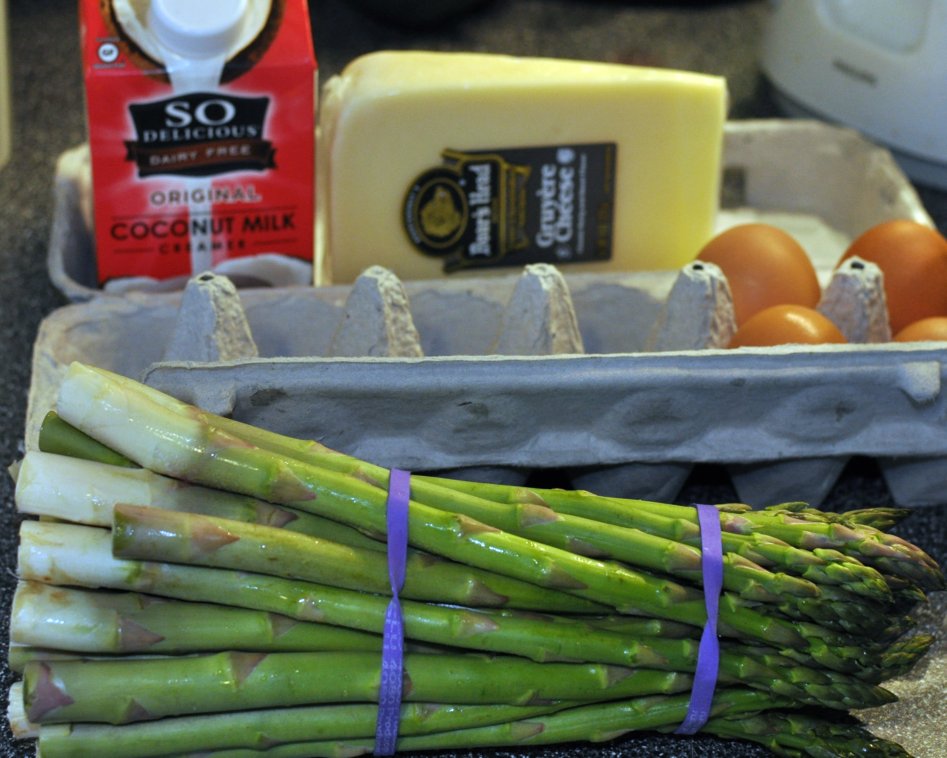
4 ingredients only for this quiche!

Prepare the crust using recipe below.  Then, add a double layer of foil and dried beans.  This will protect the crust from over baking and prevent it from puffing up. 
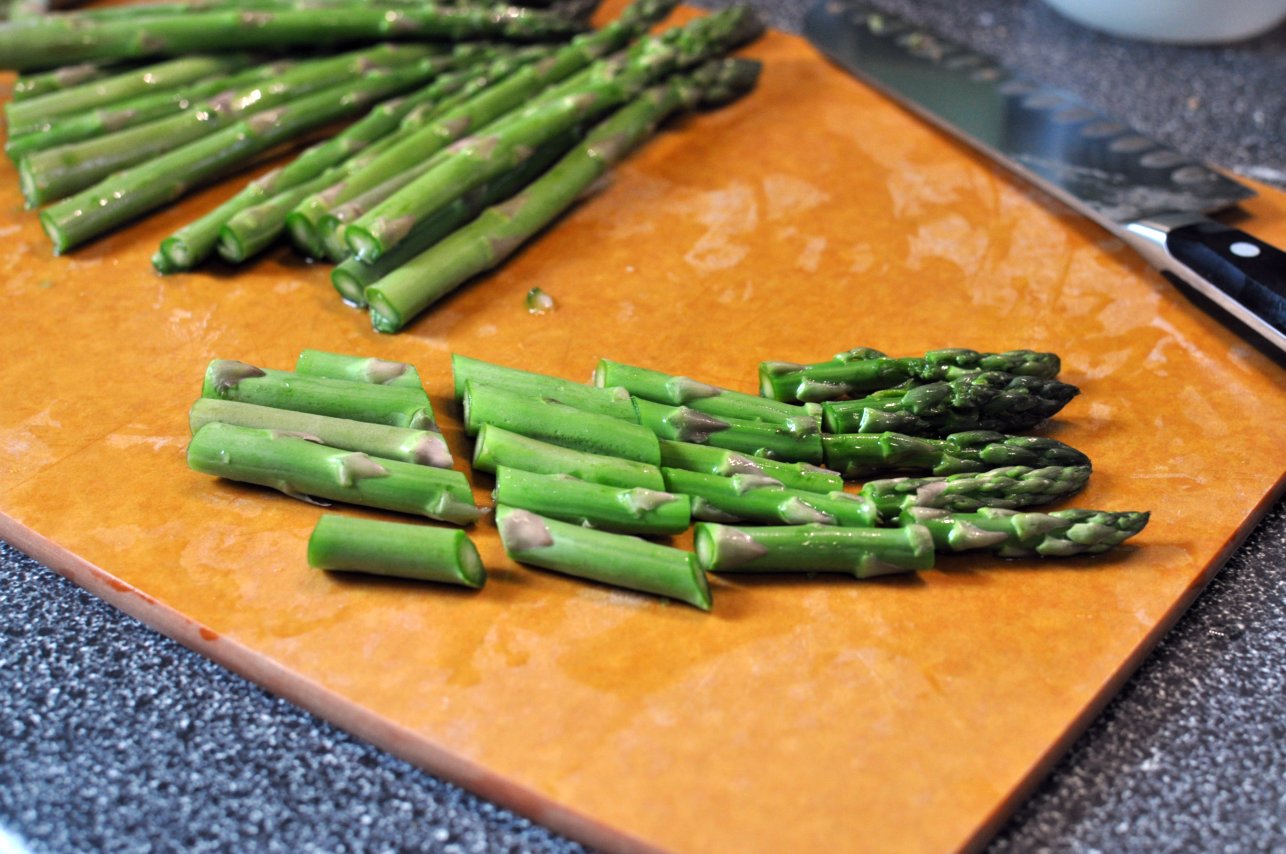
Chop 1 bunch of asparagus into sections.  Discard lower, white ends.  These will be woody, you should be able to feel the difference in texture with your knife.  Saute over medium-low heat with 1 tablespoon of olive oil until asparagus is tender. 

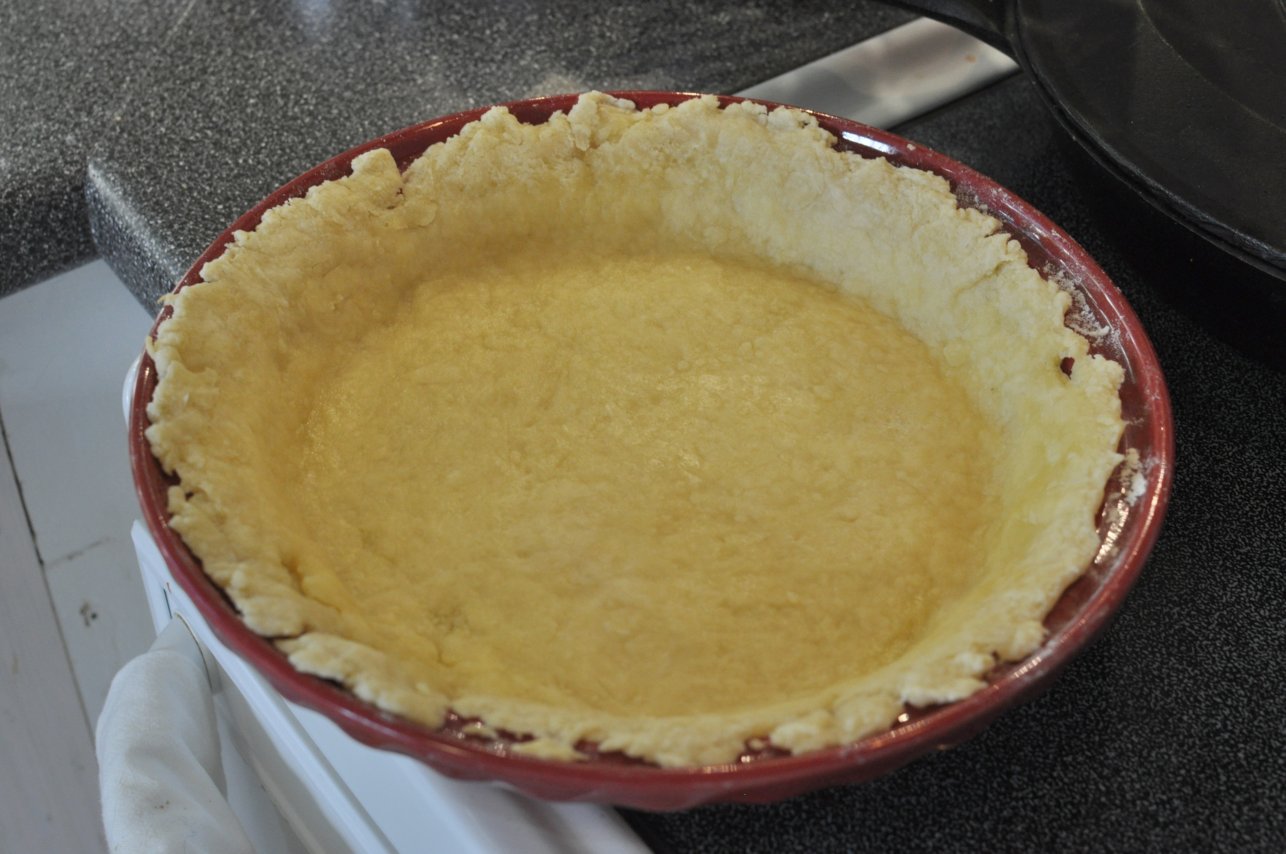
The baked pie crust, golden and ready for the quiche filling.
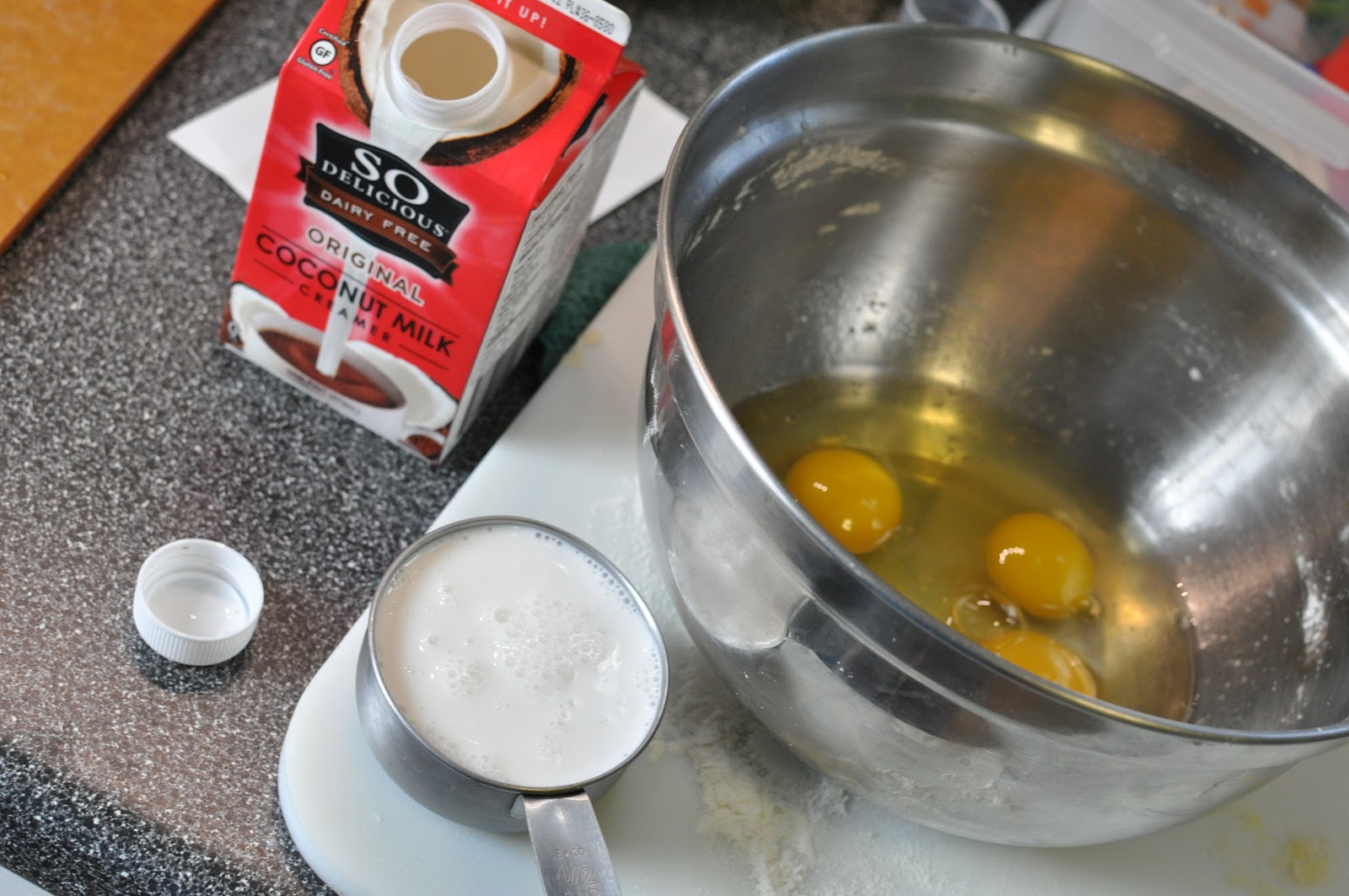
Instead of cream, I opted for coconut creamer.  It is an excellent creamy alternative for dairy and does not have the coconut flavor!

Whisk together 4 eggs, 1 cup coconut creamer, chopped asparagus, and 4 oz of grated Gruyere cheese.

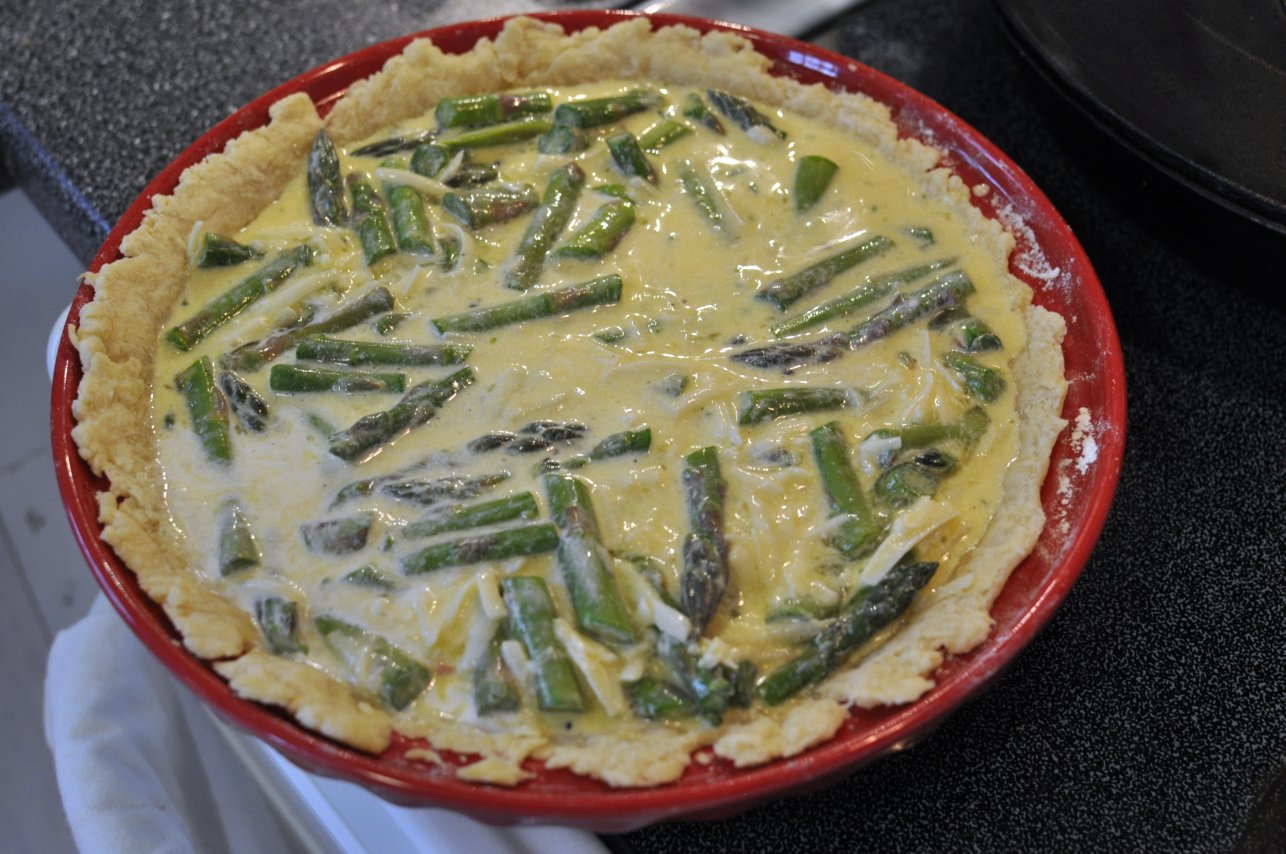
Pour filling into prepared and baked crust.  Use a spatula to spread out asparagus evenly.

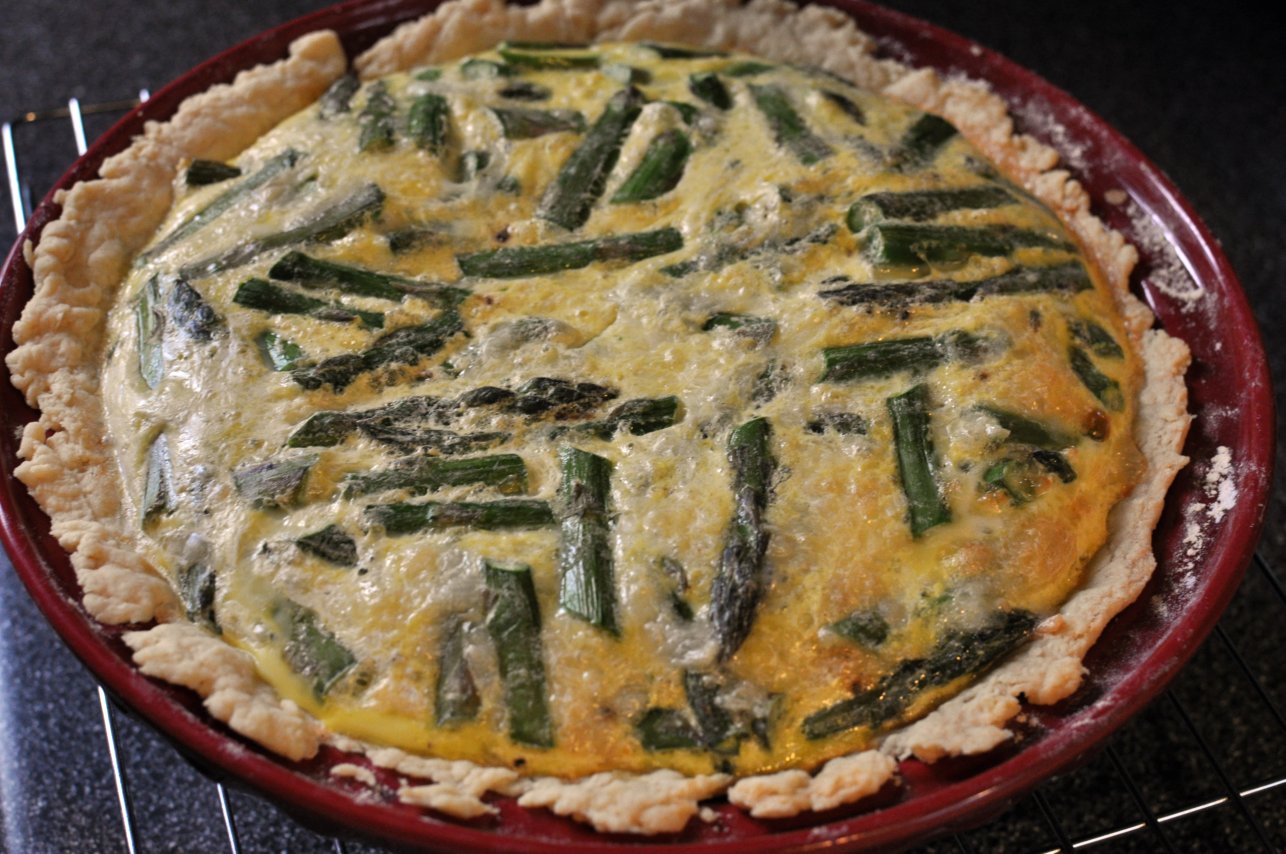
Bake quiche at 325 degrees for 60 to 65 minutes or until a knife inserted in the center comes out clean.  The top should be a nice golden color.  Allow to cool on rack for 10 minutes. 

Slice and serve.  I actually prefer to make quiche and allow it to cool and then reheat it – I feel that it sets up better this way.
This quiche won’t last long!

Single Pie Crust Recipe – from Better Homes and Gardens Cookbook

1. Cut 1/3 cup butter into 1-1/4 cups flour with a pastry cutter.  Pieces should be pea-sized.
2. Sprinkle 1 tablespoon cold vodka over part of flour and butter mixture.  Toss gently with fork.  Push moistened dough to one side of bowl.  Repeat using 1 tablespoon at a time (4-5 tablespoons vodka/ice water total) until all flour is moistened.  Form into 1 disk.  
3.  On a lightly floured surface, use hands to slightly flatten dough.  Roll into a circle approximately a 12 inches in diameter. 
4.  Wrap pastry dough around rolling pin and carefully transfer to pie pan.  Do not stretch the dough, this will cause shrinking during baking.  Trim excess dough off, if needed.  Line with double lining of aluminum foil and fill with baking beans.  Bake at 450 degrees for 8 minutes.  Remove pie crust, remove foil set aside. 
Asparagus & Gruyere Quiche Filling – adapted from Martha Stewart’s Everyday Food
1. Chop 1 bunch of asparagus into sections. Discard lower, white ends. These will be woody, you should be able to feel the difference in texture with your knife. Saute over medium-low heat with 1 tablespoon of olive oil until asparagus is tender. 
2. Whisk together 4 eggs, 1 cup coconut creamer, 1 bunch chopped &sauteed  asparagus, and 4 oz of grated Gruyere cheese.  Pour filling into prepared and baked crust. Use a spatula to spread out asparagus evenly.

3. Bake quiche at 325 degrees for 60 to 65 minutes or until a knife inserted in the center comes out clean. Allow to cool on rack for 10 minutes.

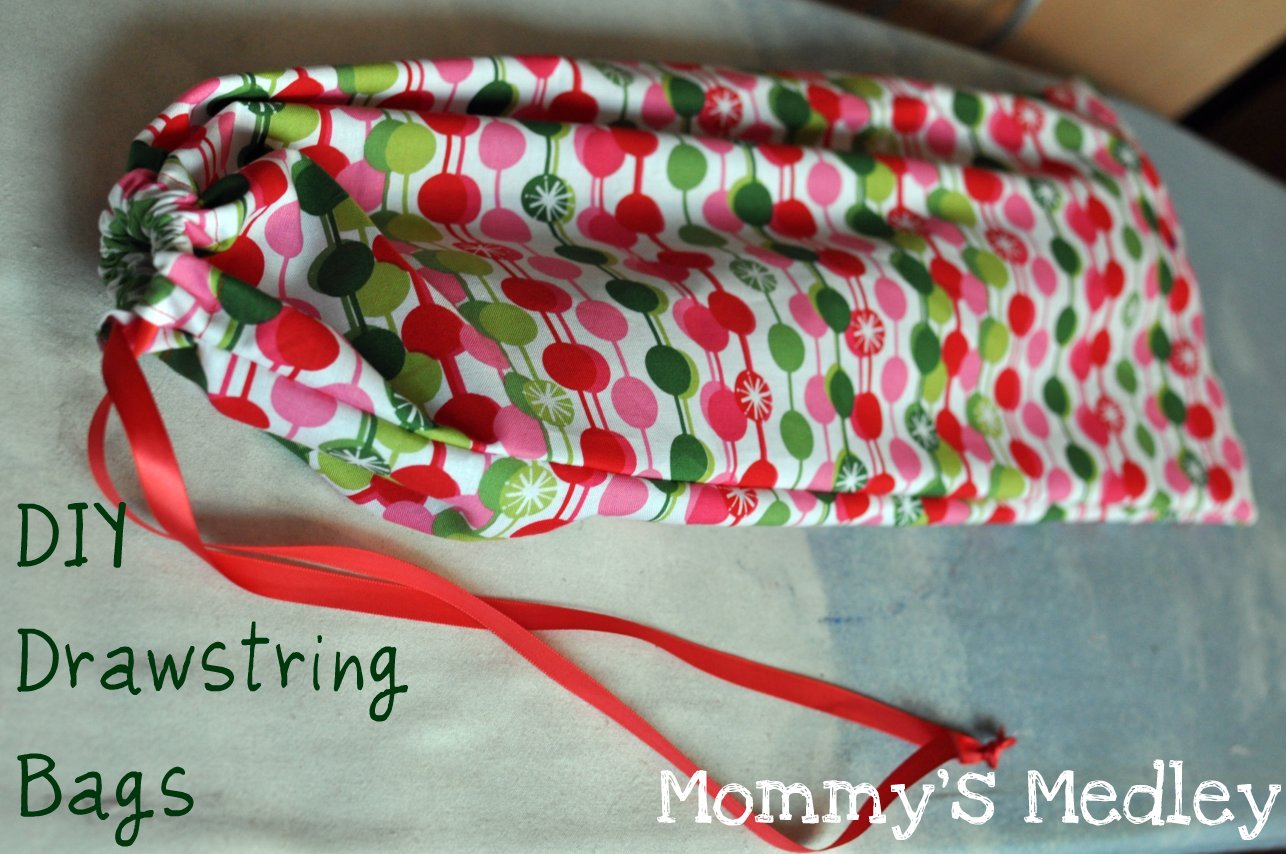
DIY Drawstring Bags + Hand Made Wooden Blocks

I whipped up a couple of these to wrap some of my home made gifts in this year.  I have a bunch of holiday fabric leftover from the advent calendar project and so am using it up little by little.  I will do my best attempt at explaining this project, but will admit readily that I am far better at explaining art steps than sewing steps.  Please forgive me in advance for lack of technical terms and some sloppy work.  
Step 1: Measure fabric twice.  Cut once.  I laid the actual gift on top to be sure it would fit.  I am well known for cutting too hastily.  
Step 2: Press and sew the edge that will be the opening for the drawstring closure.  I, of course forgot to do this step and so had to go back and rip out seams and re-sew.  I know, I know, if something is worth doing, it is worth doing badly.  

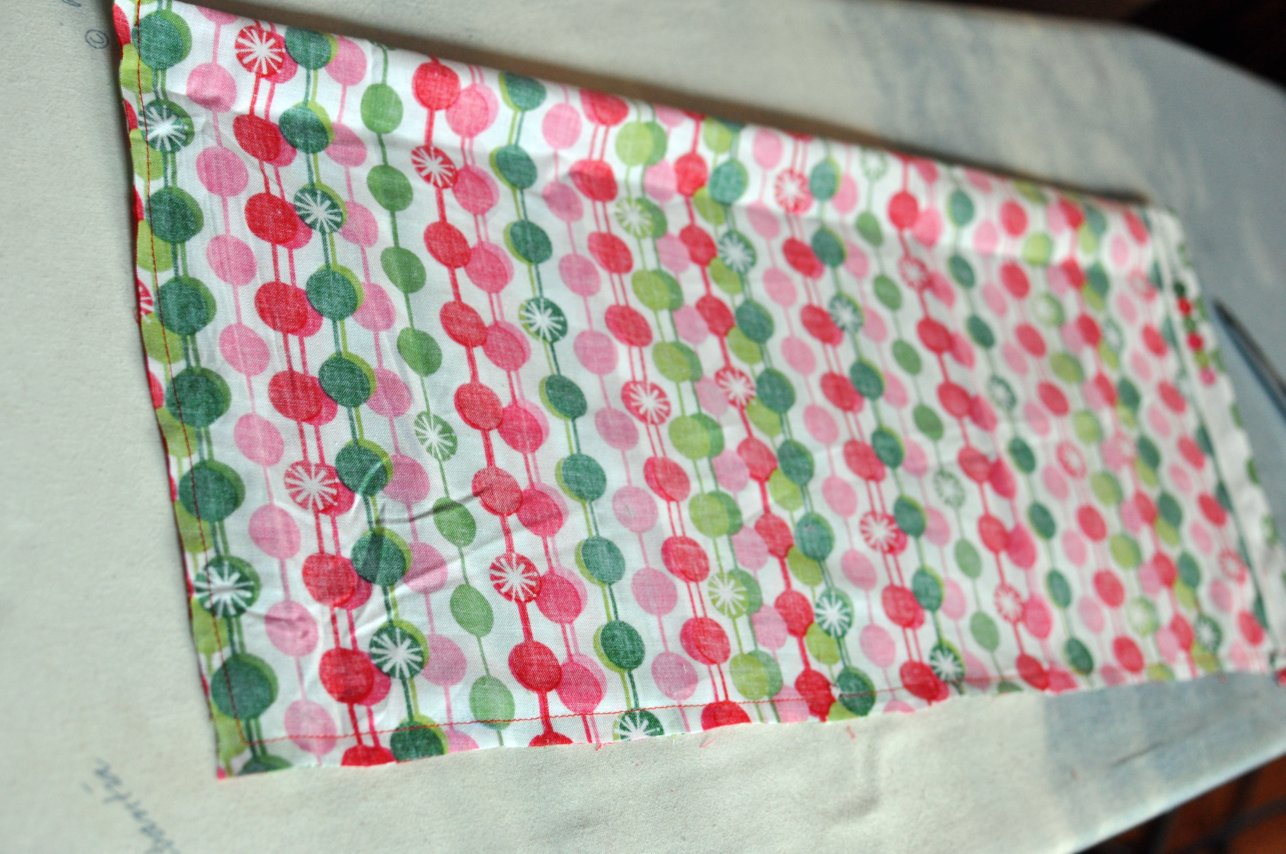
Step 3: Turn fabric right side down.  Press and pin a section along the top side of the fabric.  This will be the space for your draw string to go.  

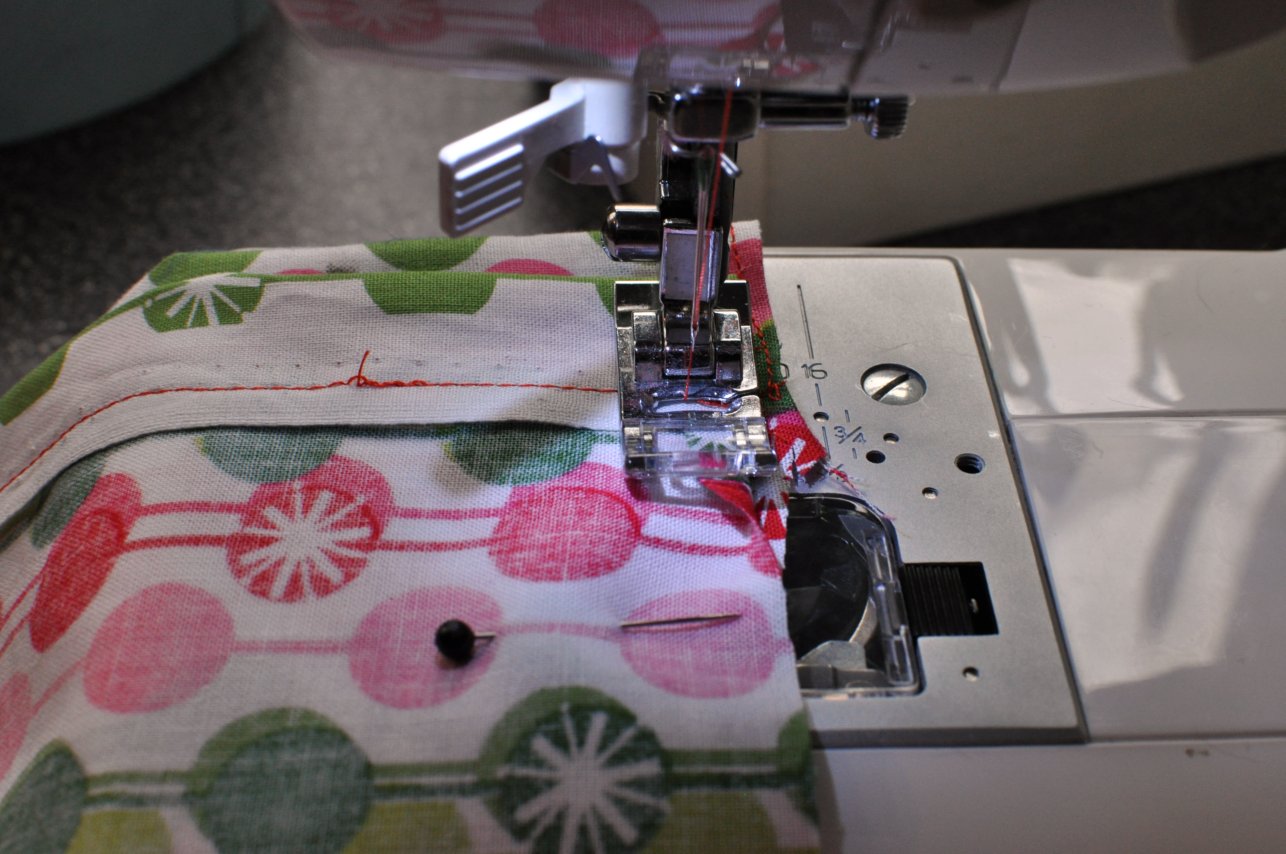
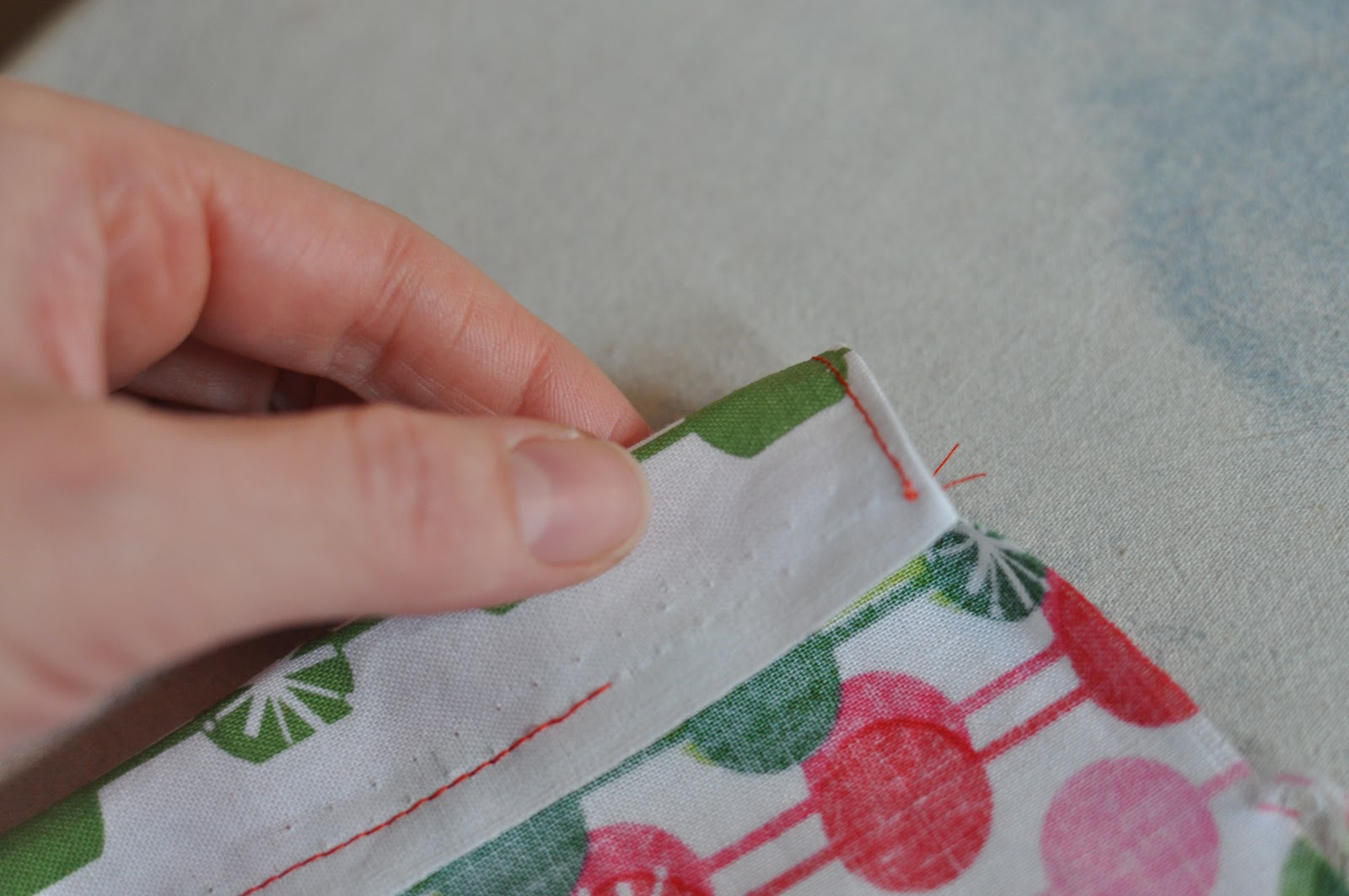
Step 4: Sew a seam along the edge of the folded fabric.  See image above. 
Step 5: Fold fabric together, wrong sides in.  Pin on two sides – the long side and short side opposite the top folded seam you just sewed.  Sew a seam using 3/8″, or so.  Start your seam just below the seam for the drawstring.  See image above for starting point. 

Step 5: The fabric will now be sewn into a bag.  Turn bag right side in.  

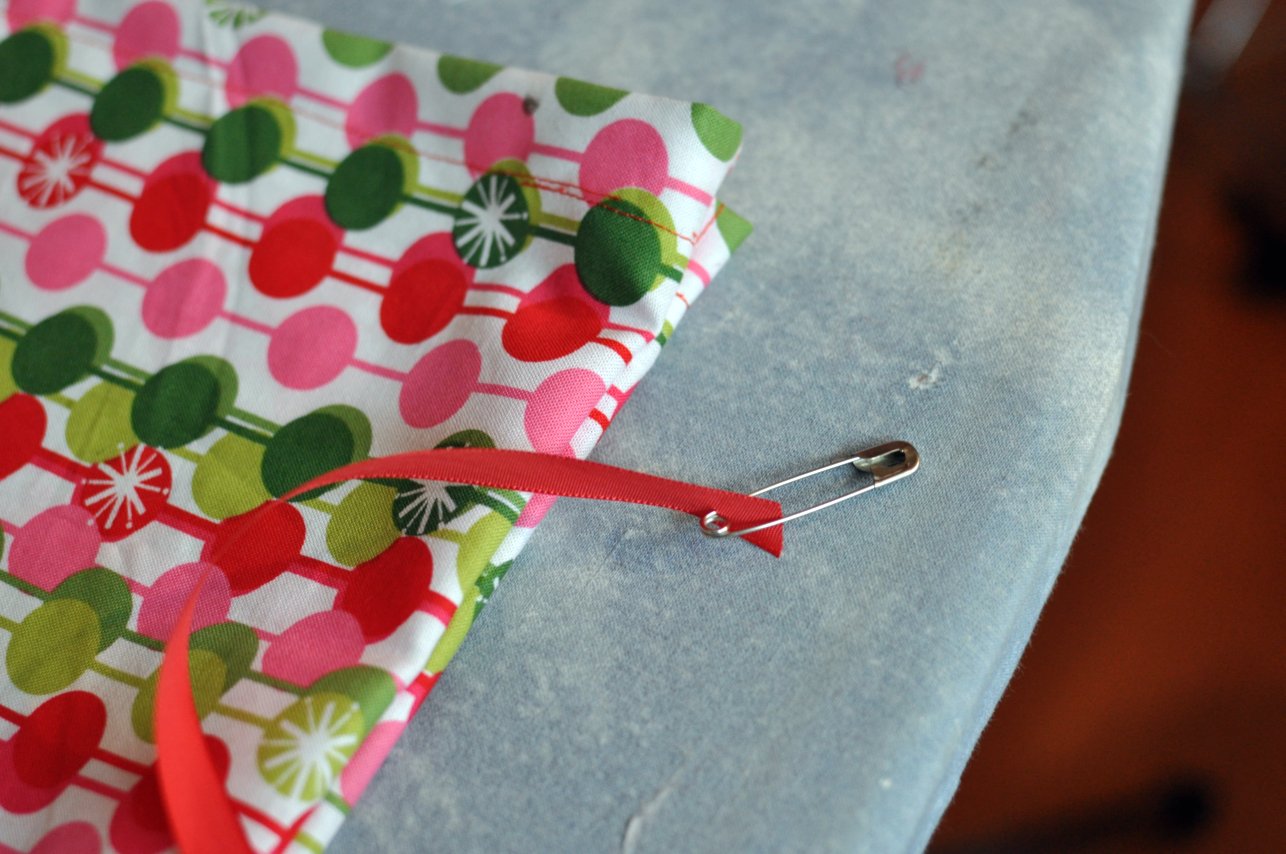
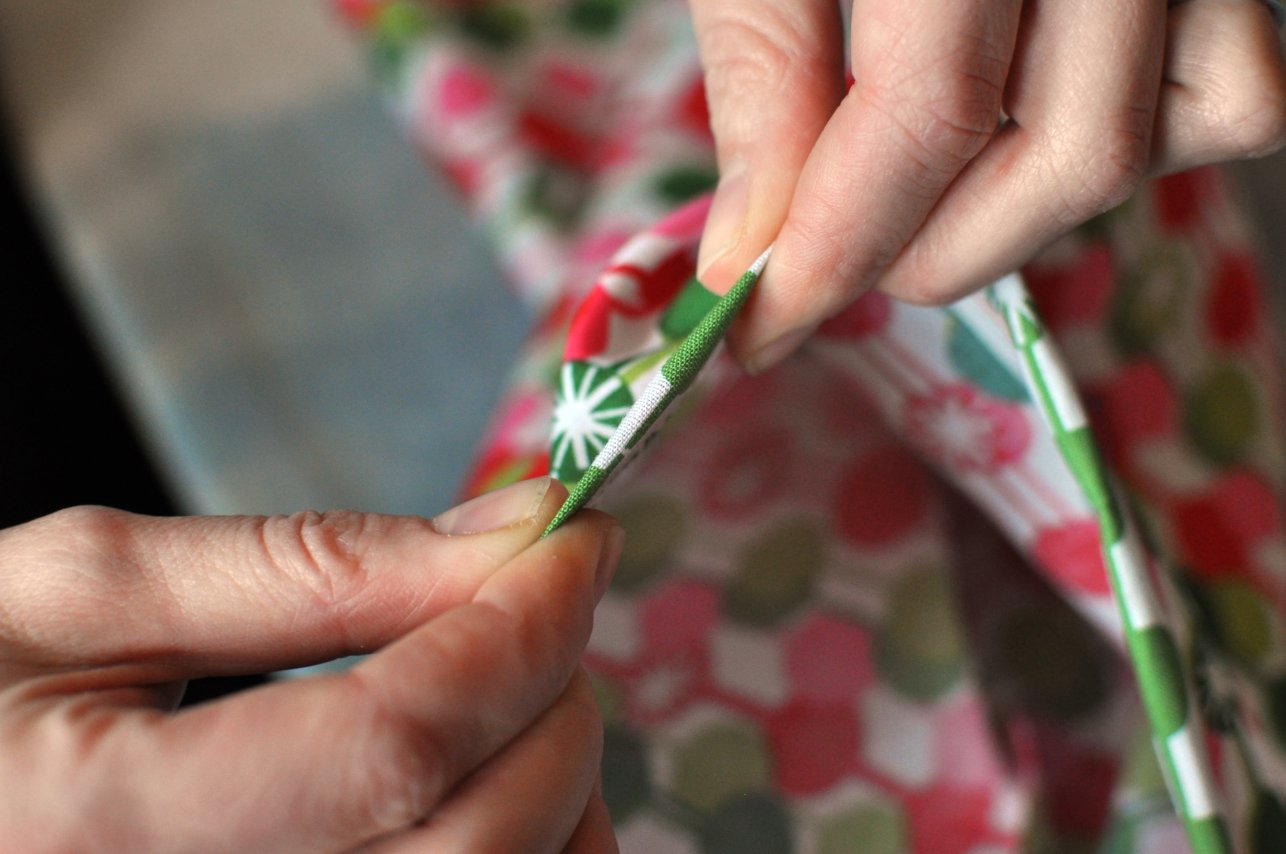
Cut a length of ribbon a little more than twice as long as the top edge of the bag.  Pin safety pin on one edge.  See image above.  

Step 6: Thread safety pinned ribbon into one opening at the top of the bag.  Thread all the way through using motions shown below.  

Undo safety pin.  Tie two ribbon lengths together to prevent ribbon from escaping.  
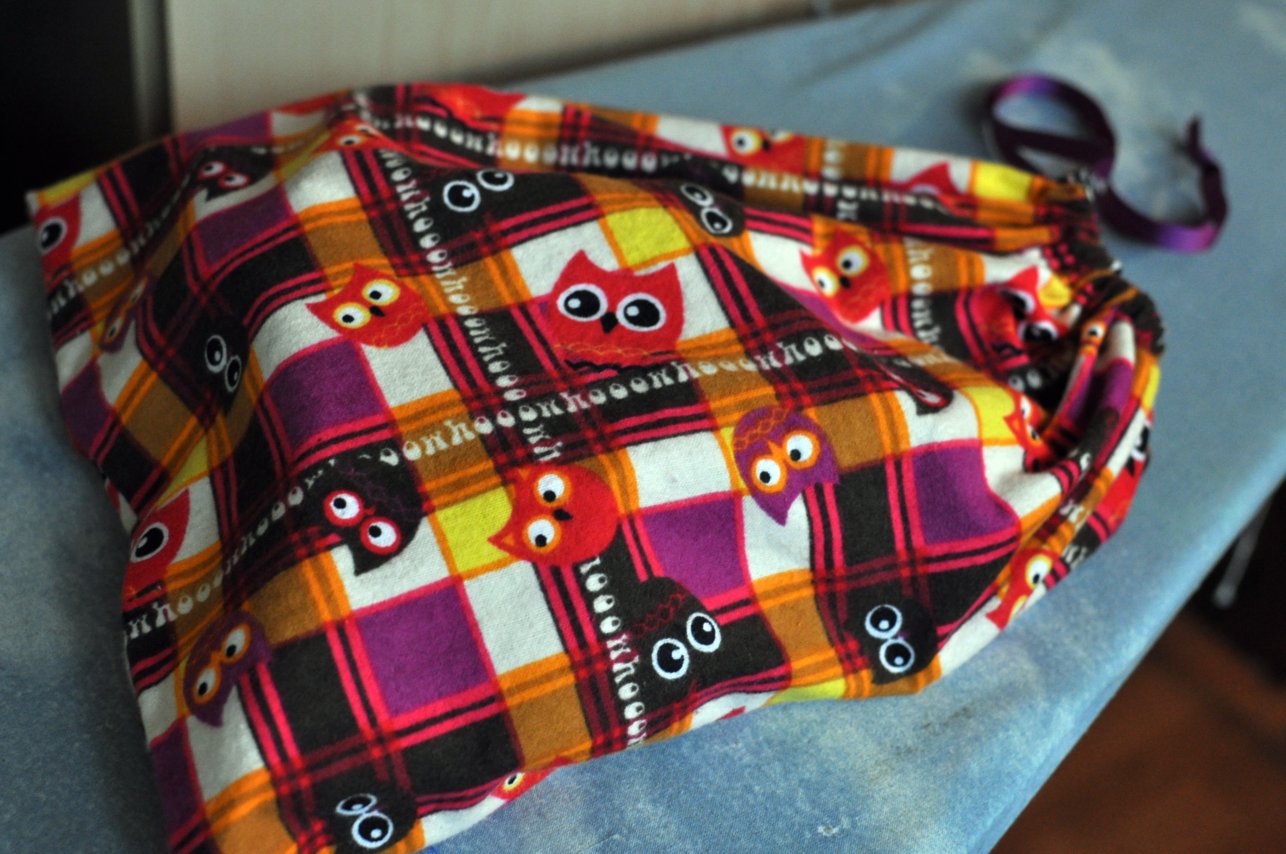
This is Eric’s wrapping job using one of the fabric bags.  🙂 
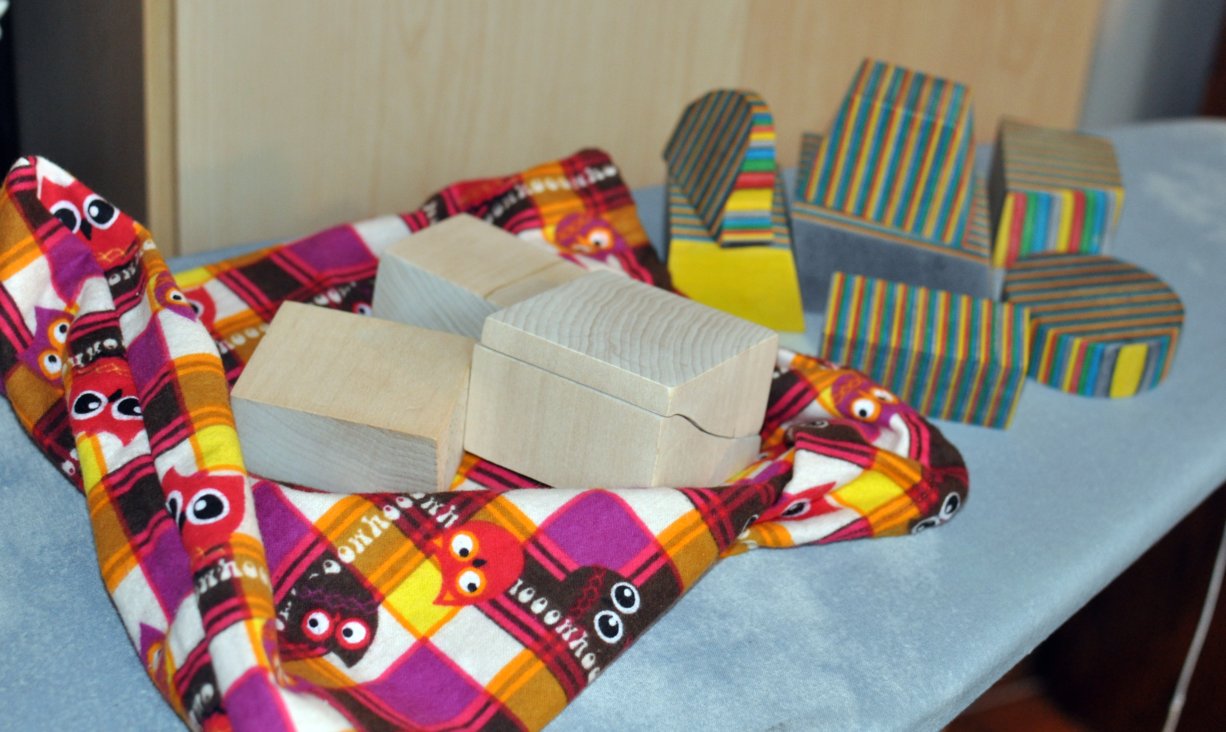
I even made one for Greta’s gift of homemade wooden blocks.  
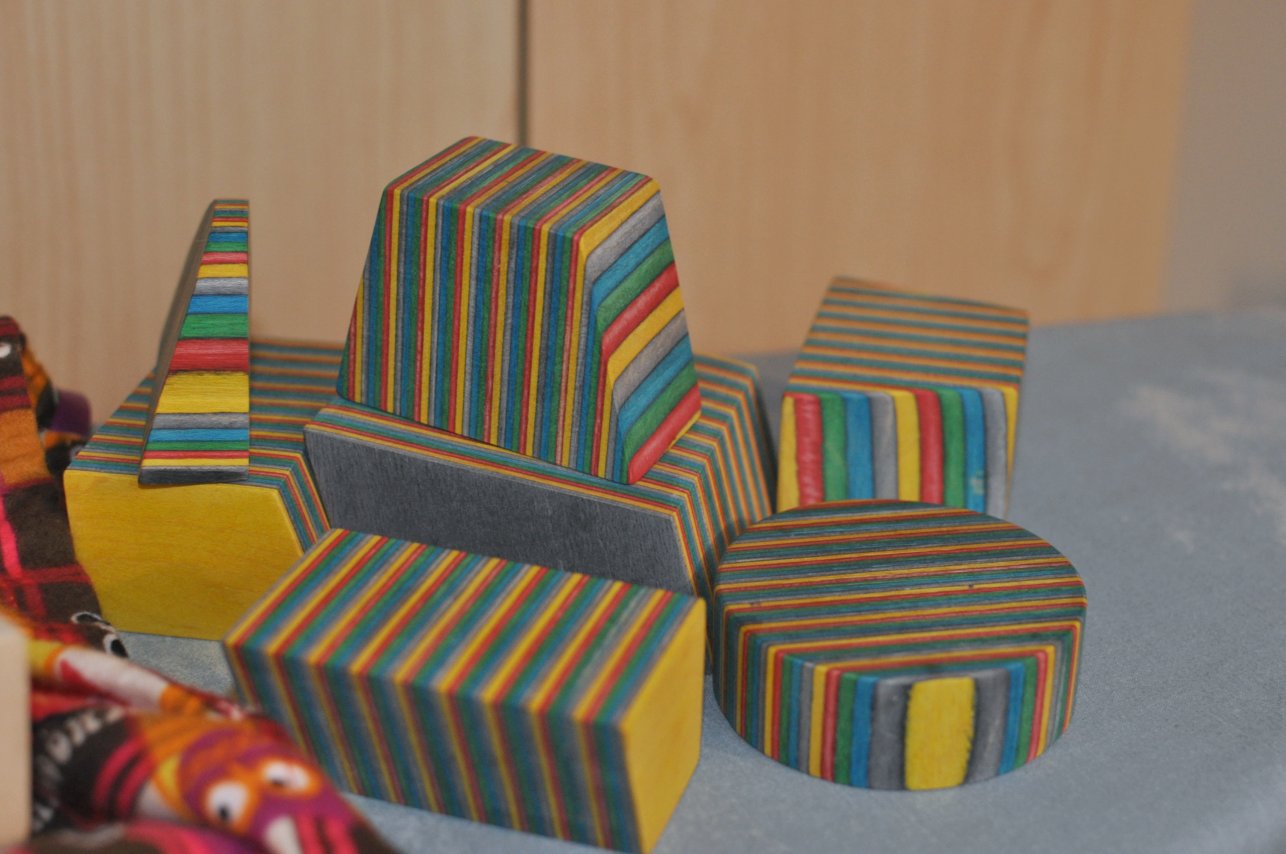
Eric made her a beautiful set of wooden blocks from striped and a plain light-colored wood.  

She will love these.  I am so excited for her to open her gifts this year.  
If you aren’t feeling crafty enough to make blocks, here are some other great options:

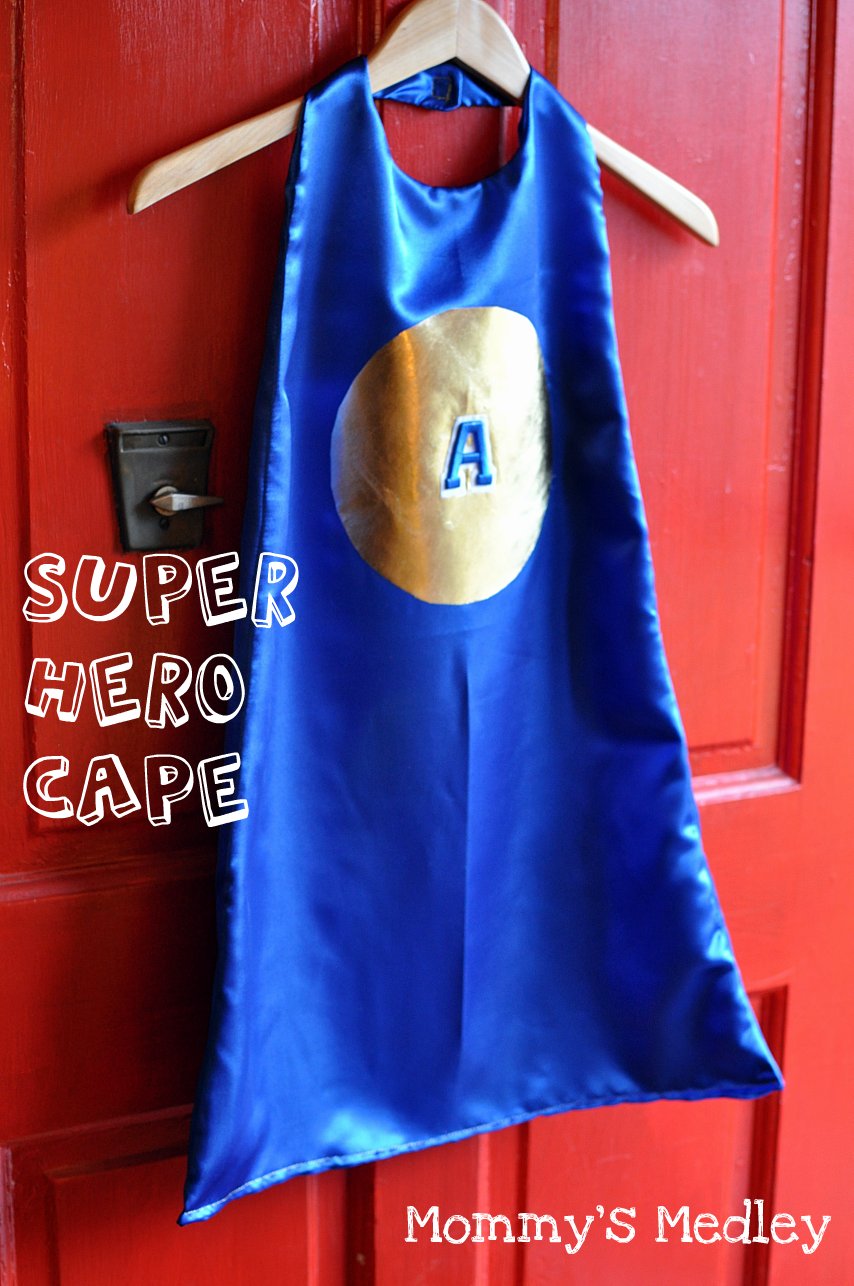
Super Hero Cape

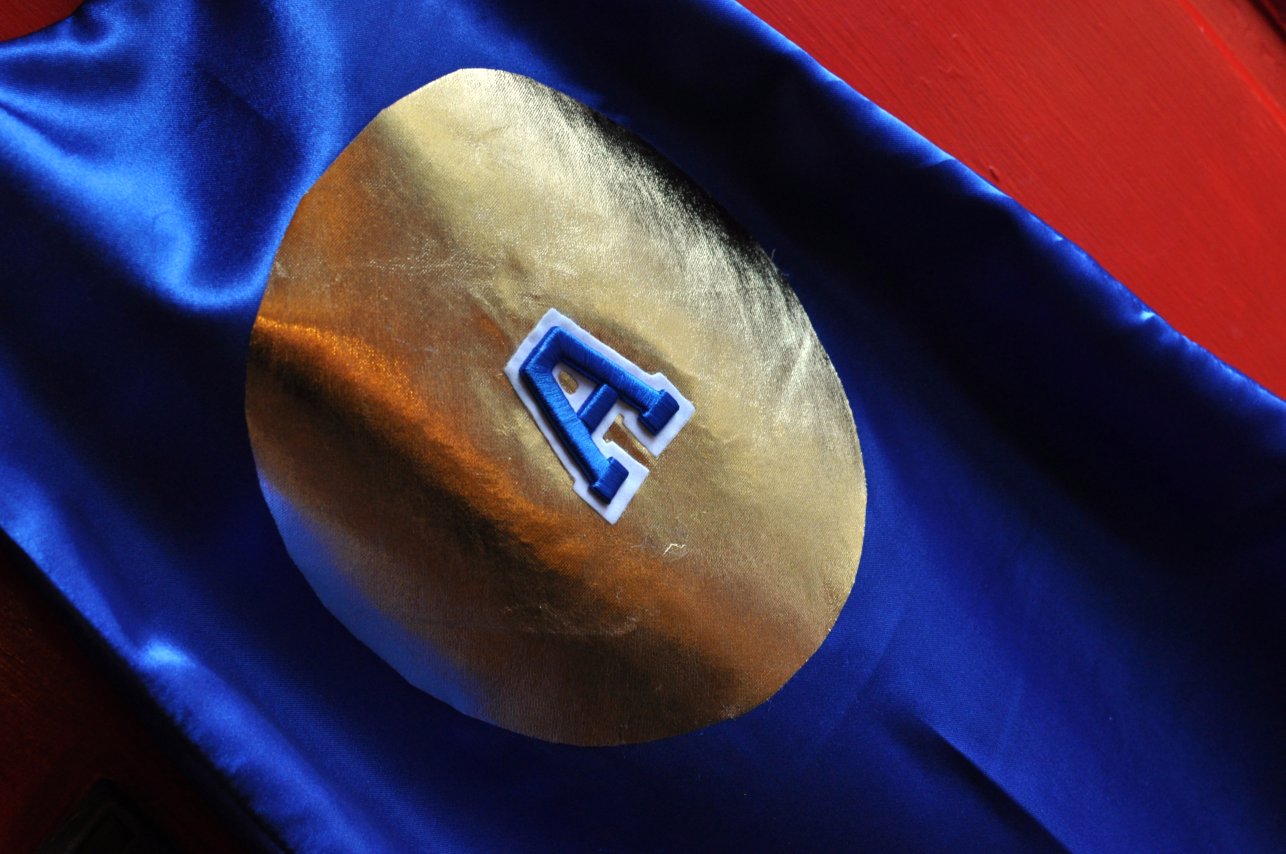
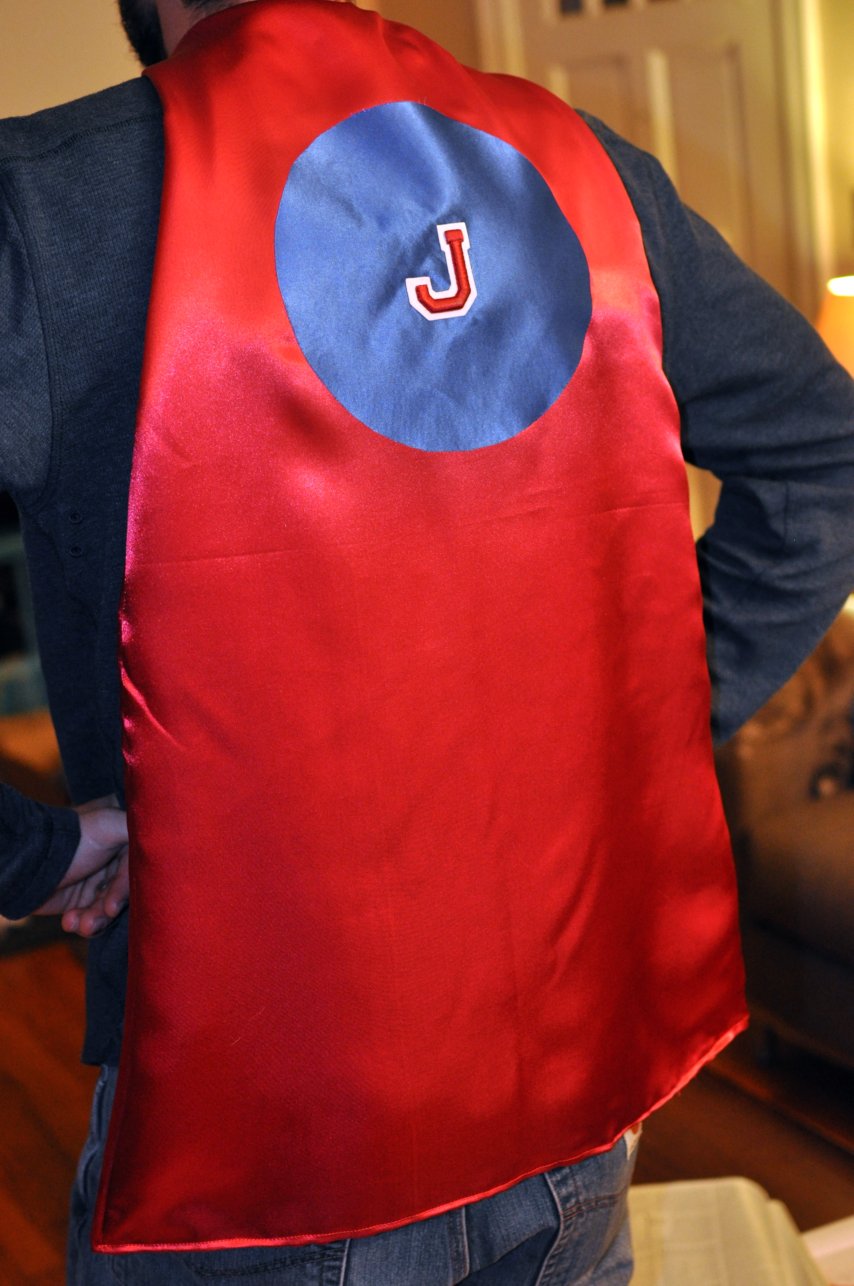
I found this tutorial online on how to make a super hero cape for kids and decided to give a go.  There are two little boys who (hopefully) will love these.  I opted for a synthetic satin fabric with accents made from iron on letters and circles of contrasting fabric.  

The slippery fabric gave me flashbacks to sewing a prom dress and so I may leave this fabric alone for a while after this project.  I need to forget how fussy it can be.  The iron on letters work great – just be sure to iron them on before you pin, sew or assemble the cape in any way.  I cut out both sections of the cape, and then attached the circles with iron on transfer paper, then pinned, and then sewed.  This cut down on messy sewn hems with slippery icky fabric.  Can you tell I am not a fan of this fabric?  Give me felted wool or cotton any day!
I was surprised at how easy this pattern was and how well it fits all sizes – little boys to adults.  My general rule is, if you are making one, why not make 2?  However, in reality I made 3, the first one I made was so mucked up it is just sitting in the craft room wait now, awaiting its fate.  Maybe I will feel bold and find a way to re purpose it for Greta.  

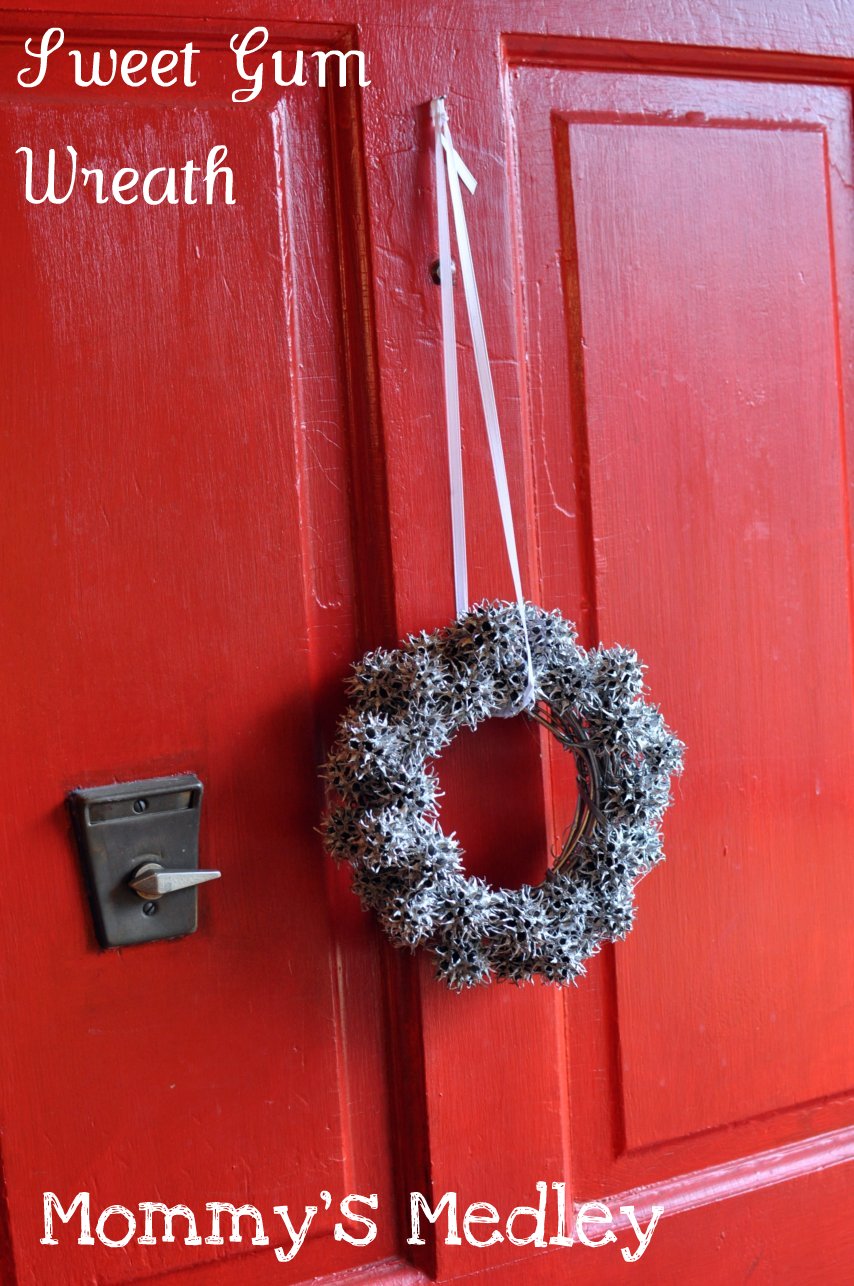
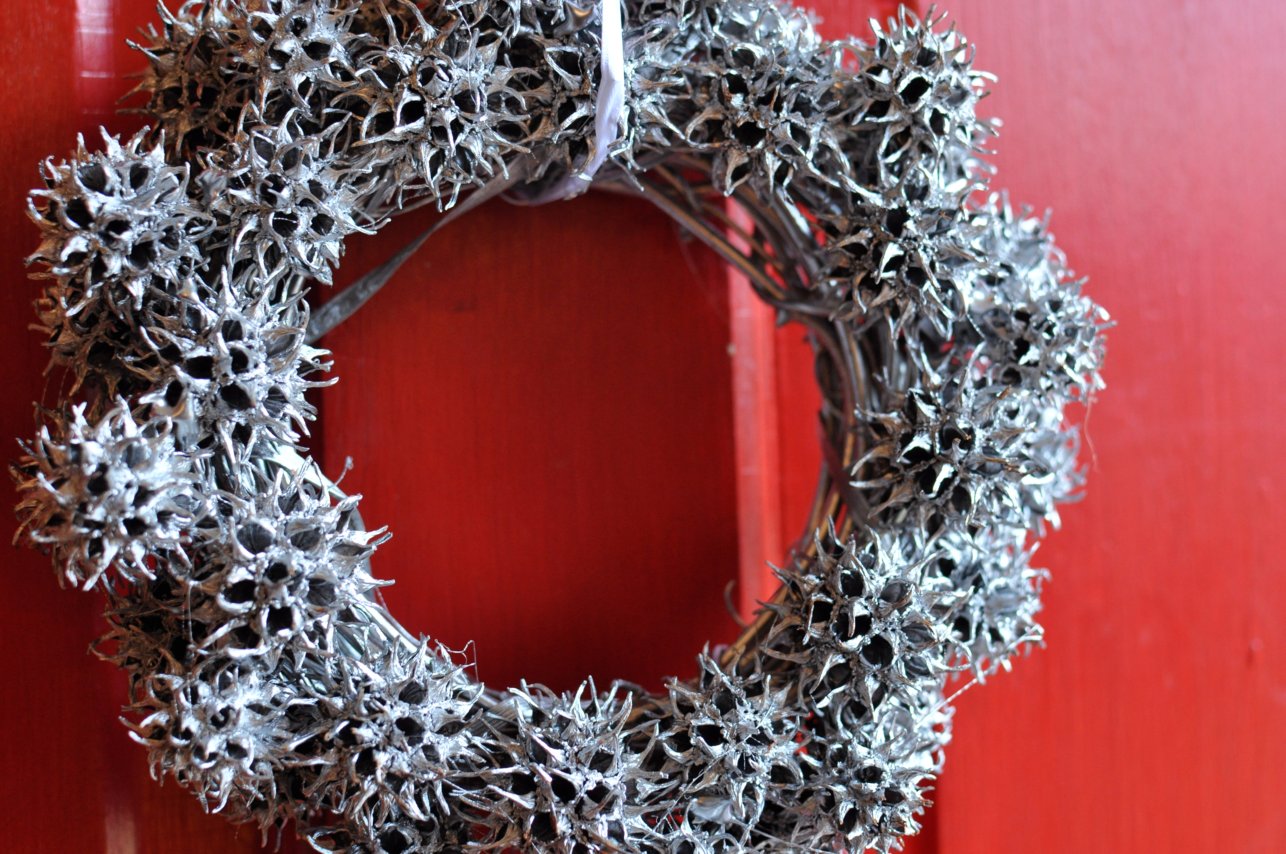
Sweet Gum Wreath

The sweet gum tree can be a thorn in the side of any homeowner.  They are a mess and quite difficult to  clean up – clogging many a leaf blower.  However, they are a crafter’s delight.  I first encountered these seed pods when I was in kindergarten in New York.  My teacher brought a bag of them into class and had us glue toothpicks into the holes.  We then spray painted them gold and gave them to our mothers as Christmas ornaments.  My mother still gets hers out every year and they grace a table or buffet top.  
This wreath stems from that very project.  When I moved from the Midwest to North Carolina I found these gumballs all over my neighborhood and I quickly put them to use for a pretty wreath for my front door.
Simply hot glue gumballs onto a wreath form.  Spray paint silver, gold, or any other desired color.  Hang with a ribbon.  

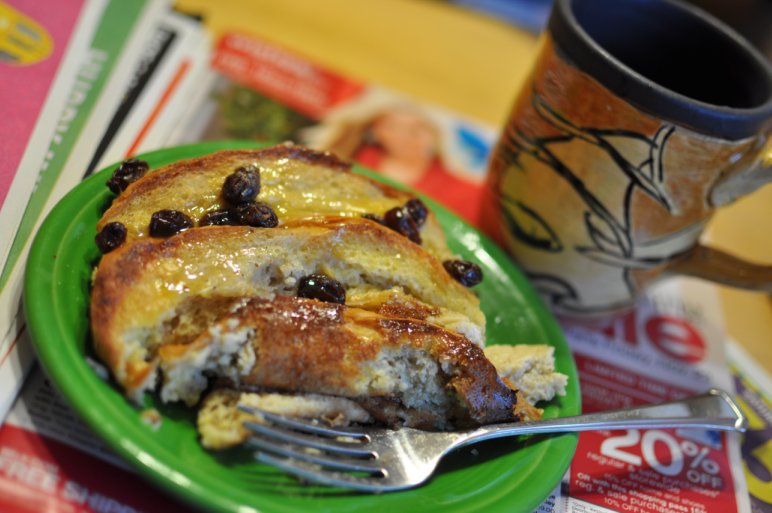
Egg Nog French Toast Casserole

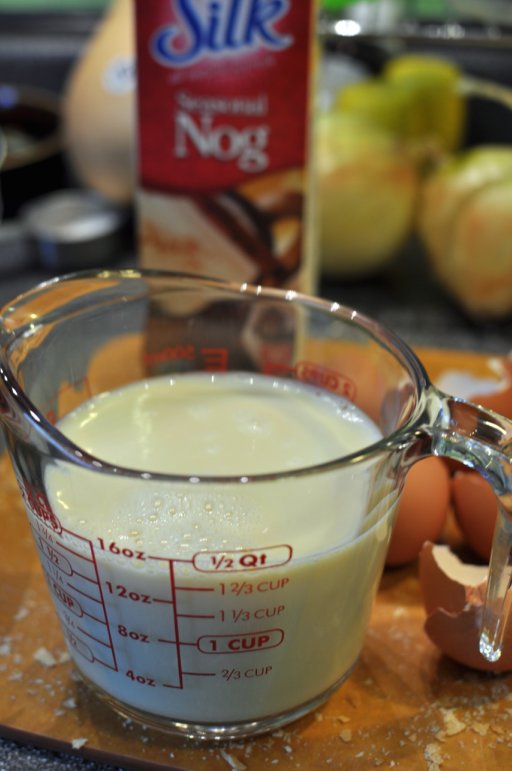
I have the perfect holiday or Sunday brunch item for you – Egg Nog French Toast Casserole.  This is what my family was eating Thanksgiving morning with out ginormous newspaper stuffed full of ads.  Normally I would not touch egg nog with a 10 foot stick, I hate the stuff, but for some reason this recipe was fine by me.  I used Silk nog and almond milk, so it was dairy free for our family, but you could easily swap in the real stuff. 
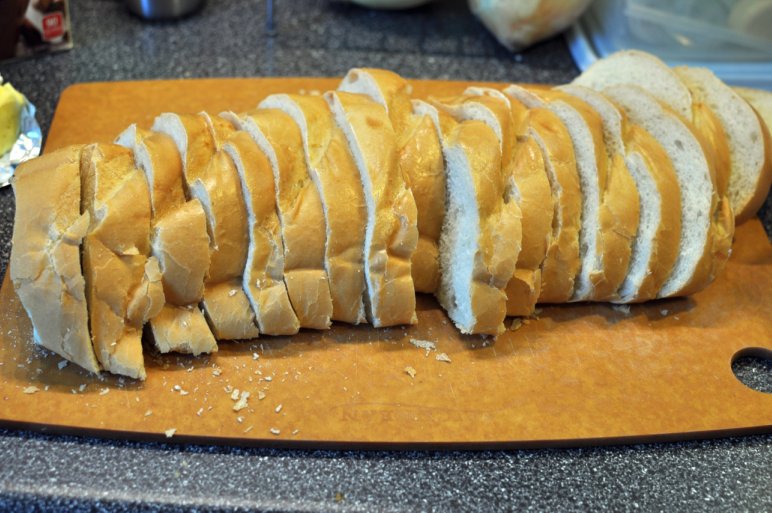
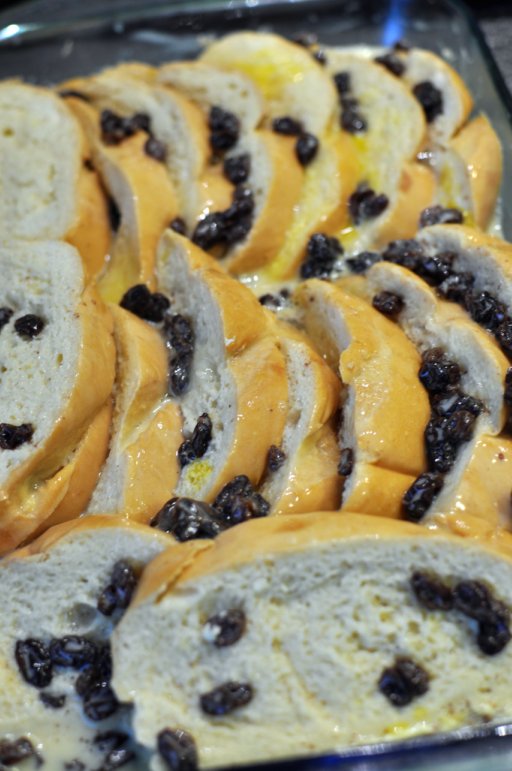
First, slice one loaf of Italian bread into about 18 – 20 equally sized slices.  Stale bread always works best. Otherwise, you can slice your bread and let it sit in a warm oven for 10 minutes.  

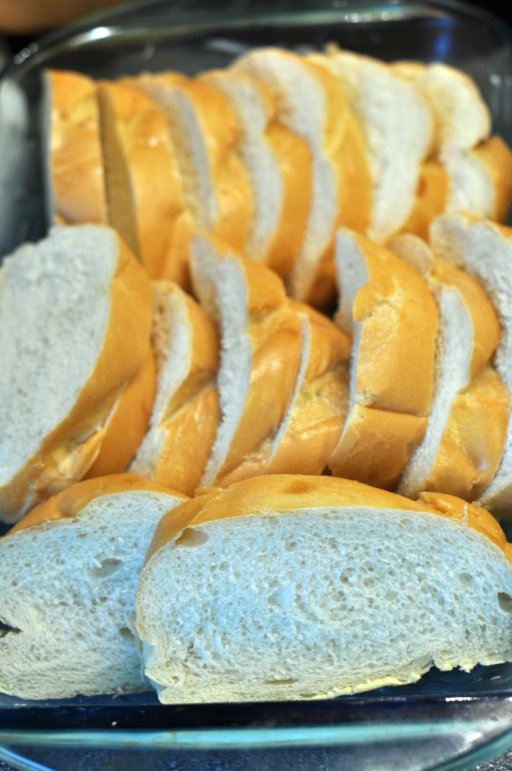
Arrange them into a 9 x 13 inch baking dish greased with margarine.  
Next for the nog. 
Put 2 cups egg nog in a bowl, 
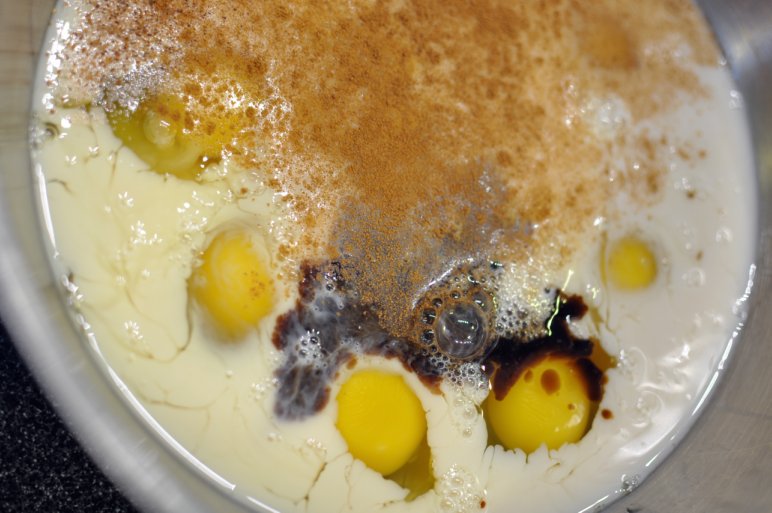
whisk together with 1 cup milk, 1 tablespoon agave syrup (or 2 tablespoons sugar), 1 teaspoon vanilla, 1/2 teaspoon cinnamon, 1/4 teaspoon nutmeg, and 8 eggs. 
Pour the egg mixture over the arranged bread.  Sprinkle 1 cup raisins over the top.  Use a spatula to press bread slices and spread around egg mixture, ensuring that all bread is coated in egg mixture. 
Cover and refrigerate overnight.  Uncover and bake at 350 degrees for 1 hour.  
Serve with warm with maple syrup.  This may become the only way you prepare French Toast – it’s just too easy!
Mommy’s Medley Egg Nog French Toast
1. Slice one loaf of Italian bread into about 18 – 20 equally sized slices.  Arrange them into a 9 x 13 inch baking dish greased with margarine.  
2. Put 2 cups egg nog in a bowl, whisk together with 1 cup milk1 tablespoon agave syrup (or 2 tablespoons sugar), 1 teaspoon vanilla1/2 teaspoon cinnamon1/4 teaspoon nutmeg, and 8 eggs. 
3. Pour the egg mixture over the arranged bread.  Sprinkle 1 cup raisins over the top.  Use a spatula to press bread slices and spread around egg mixture, ensuring that all bread is coated in egg mixture. 
4. Cover and refrigerate overnight.  Uncover and bake at 350 degrees for 1 hour.  Serve with warm with maple syrup. 

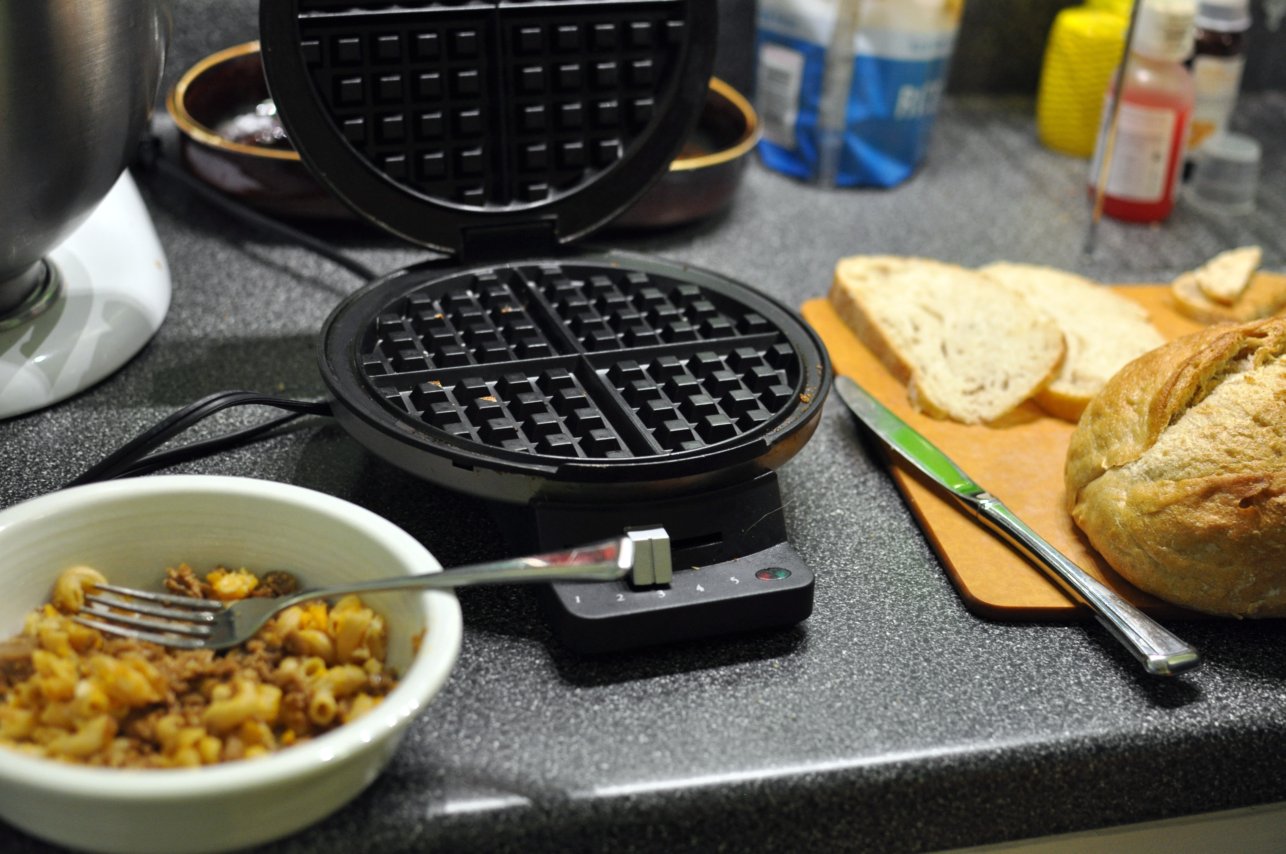
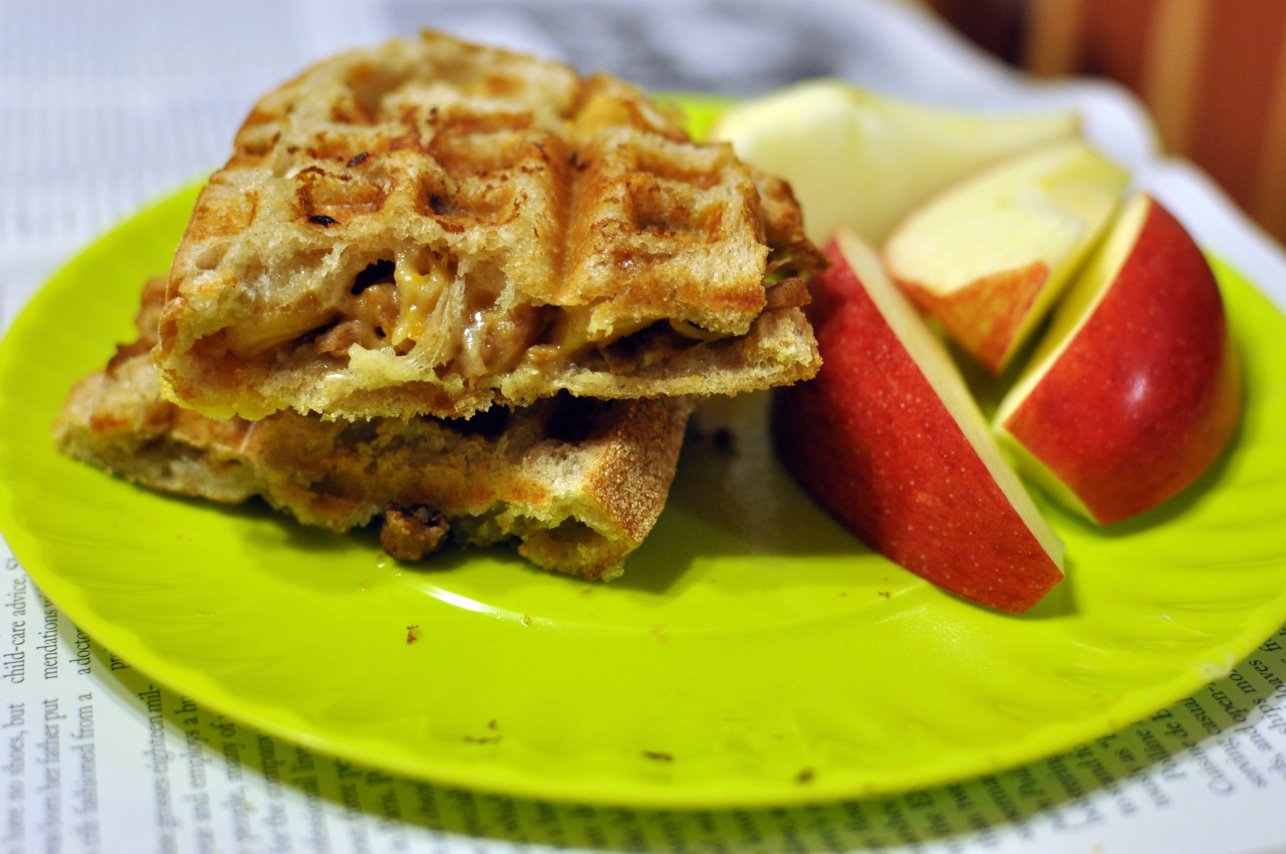
Leftover Waffle Sandwich

Holy genius husband!

I love it when Eric gets out this appliance for dinner.  
I love it even more when it involves using leftovers.  I have quite a few glass and clear containers so that I cannot forget about the contents.  I am known to allow leftovers to ferment far longer than is healthy.  
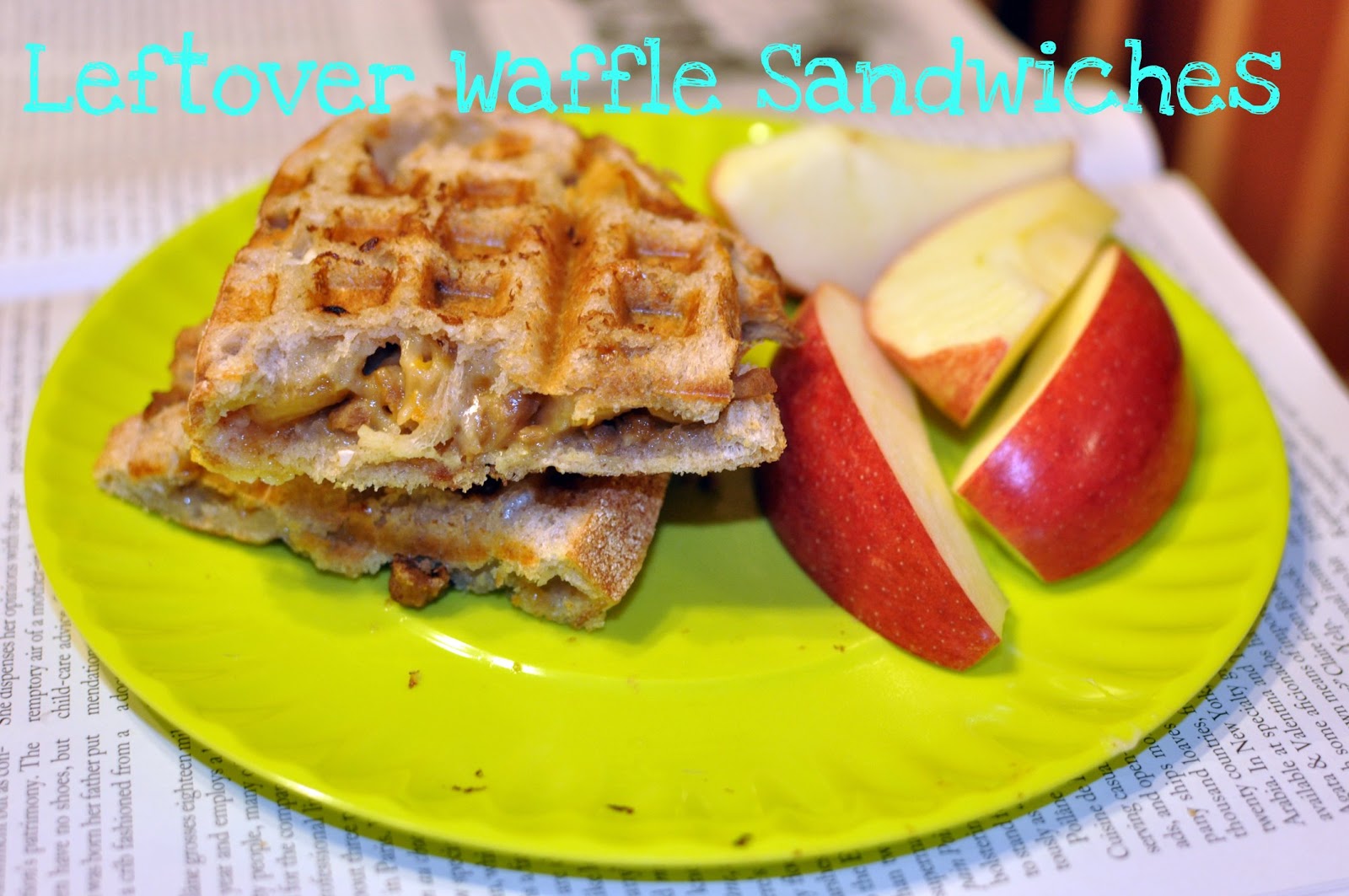
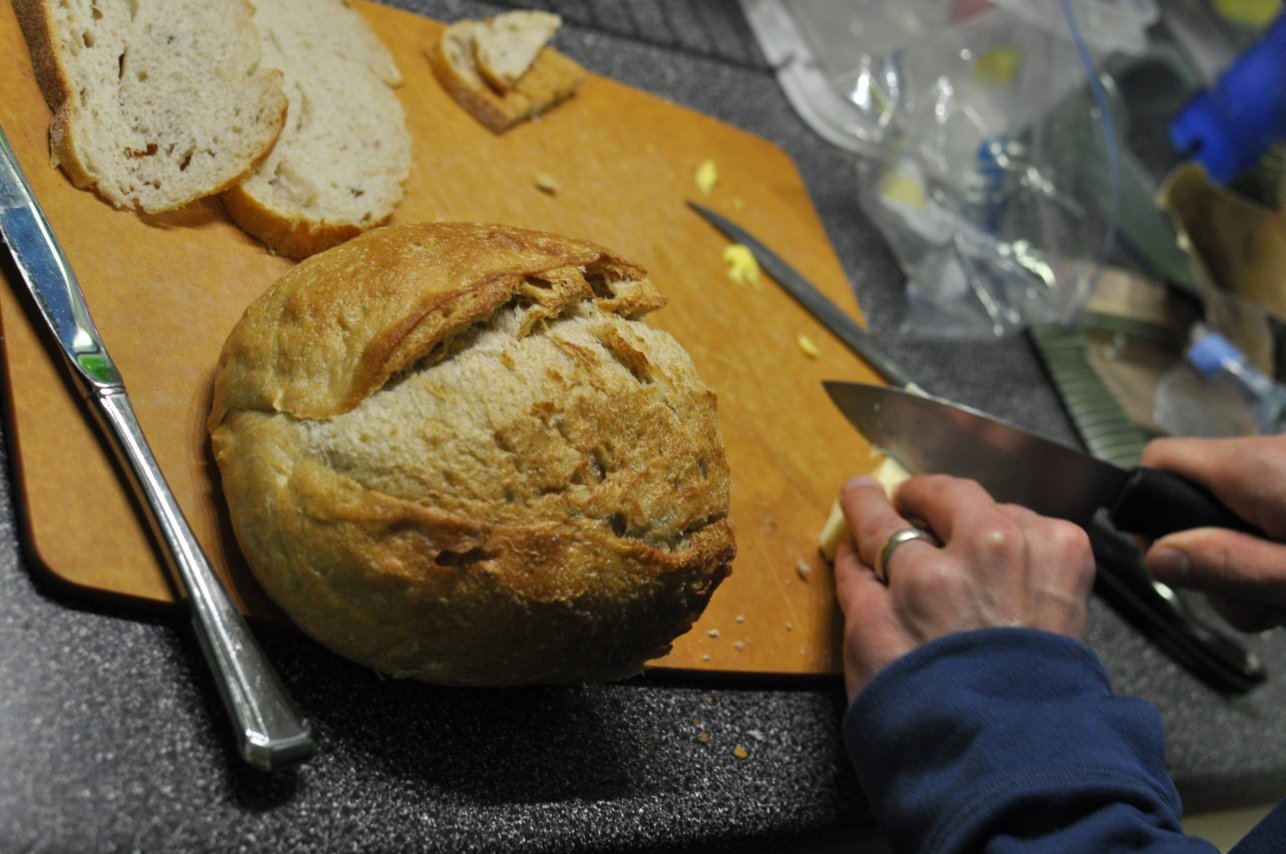
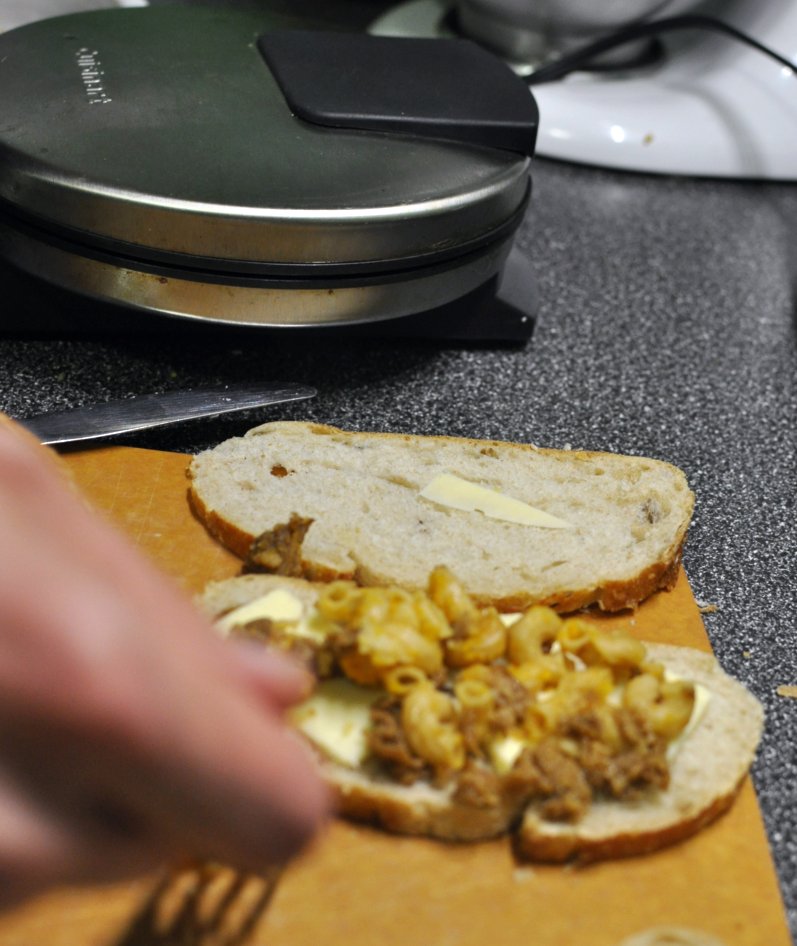
Tonight he took sliced bread and topped it with cheddar cheese and a mixture of leftover Butternut Squash Pasta Bake mixed with fake beef crumbles.  
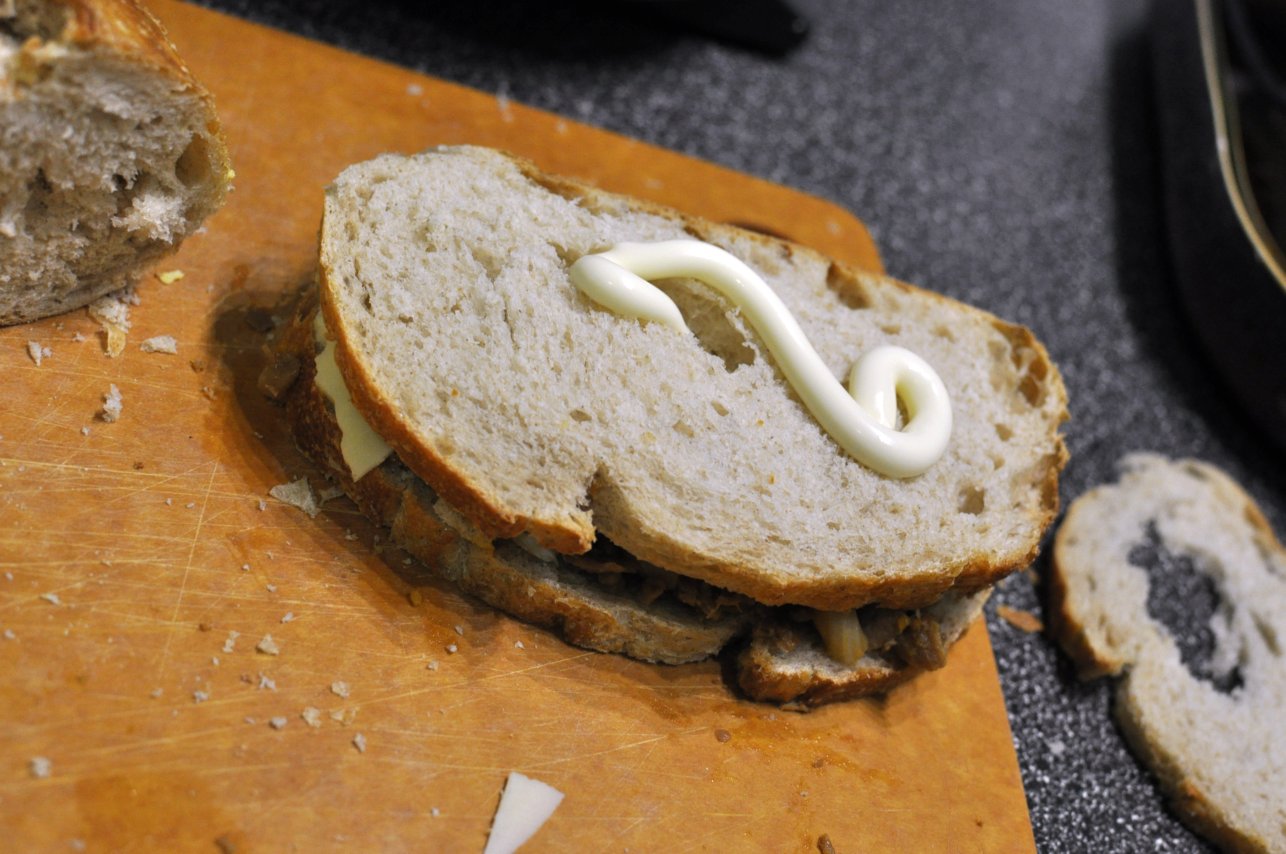
Then he added a large dollop of mayo and spread it evenly on both sides.  
Place on preheated waffle iron, press closed, and cook until light changes from red to green.  
Seriously, who needs a panini grill?  He made a second one with Norwegian caramelized goat cheese, called Gjetost and it was even better.  I could live off these bad boys.  

Chick’n Stir Fry + Easy DIY Holiday Linens

Who doesn’t love all the pretty holiday decor out in the stores right now and all over the web?  I love prints and holiday sparkle as much as the next gal, but I hate buying these things knowing I could very well make them.  I know, I know, here comes that curse again.  I had quite a bit of holiday fabric left over from my Advent Calendar adventures and decided to turn it into something useful.  
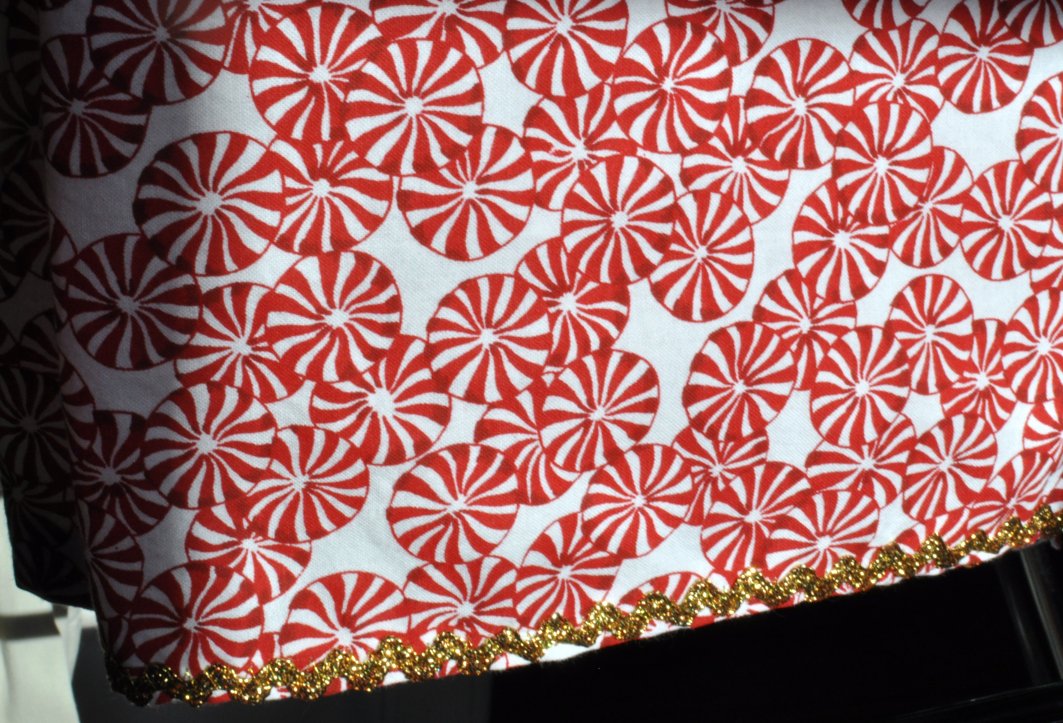
This is attempt #1 – a candy covered dish towel.  My mother and mother-in-law have gotten me hooked on fancy and pretty dish towels.  I never thought much about the dish towels I used – always picking up a pack at Target until we bought our current house.  For some reason, it clicked and I started to look for more intriguing patterns, motifs, and holiday-themed prints. 
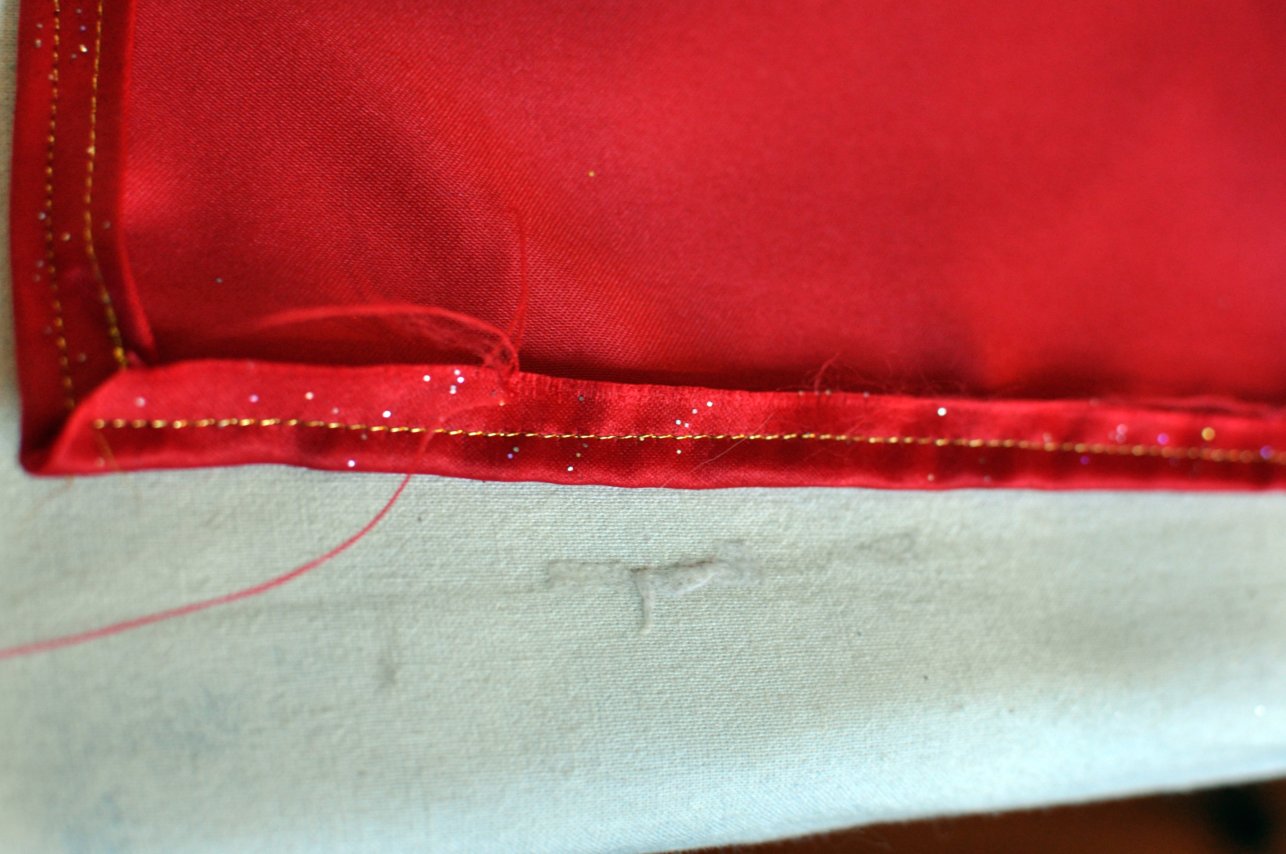
Simply use an existing dish towel in a size you like as a pattern.  Trace around it, or use the measurements.  Cut the fabric and then using an iron on high heat, fold and press the edges once and then once again to prevent fraying and then sew edges.  See two photos below if you need a visual. 
I used gold metallic thread and gold ric rac for a little extra flair on this towel’s edge.  These would be great homemade extras for hostess gifts, stocking stuffers, wine bottle wraps, or just for sprucing up your own kitchen.  
The top seam is frayed and needs to be finished.  The far left seam has already been finished.  
The bottom seam here has been pressed and sewn once.  The seam on the left has been pressed, sewn once, pressed again and sewn a second time.  With slick fabric, like this satin, I like to sew twice.  You will only see the last seam on the top side of the fabric. 
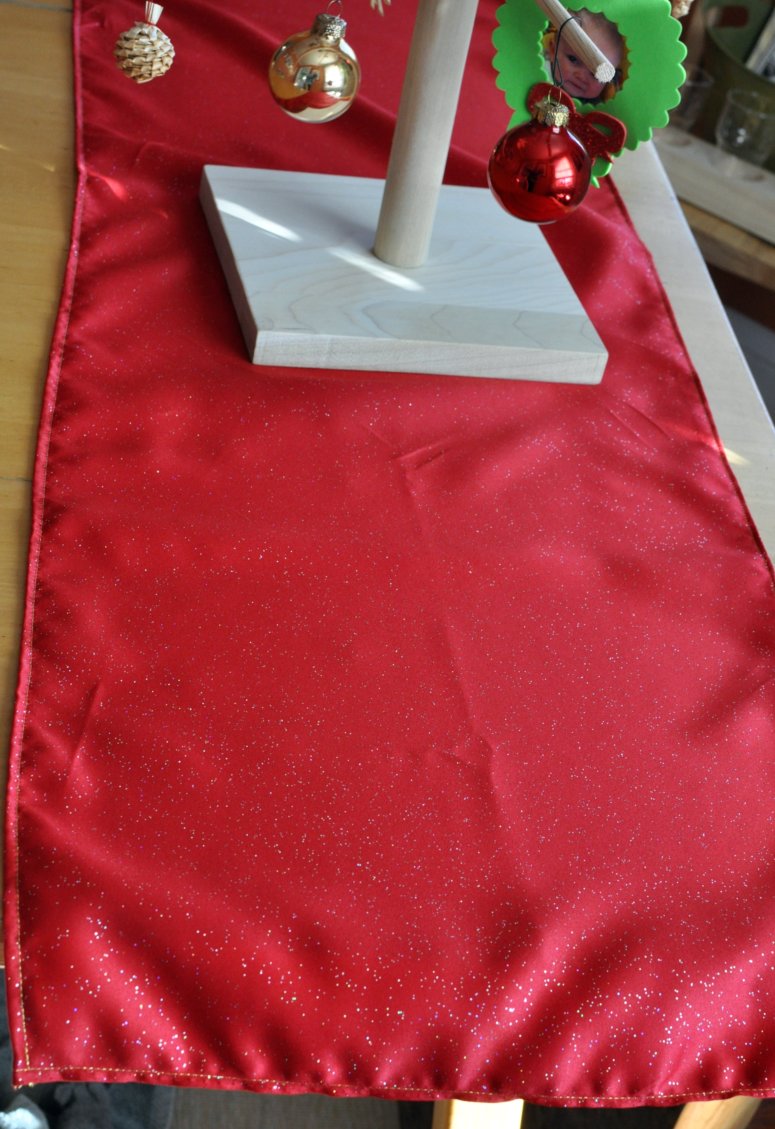
This sparkly number is all set to grace a table.  

Table runners are an easy way to add something extra to a table.  They work really well in houses with young children – we keep this on the end of the table away from Greta.  It is currently under the table top tree. 
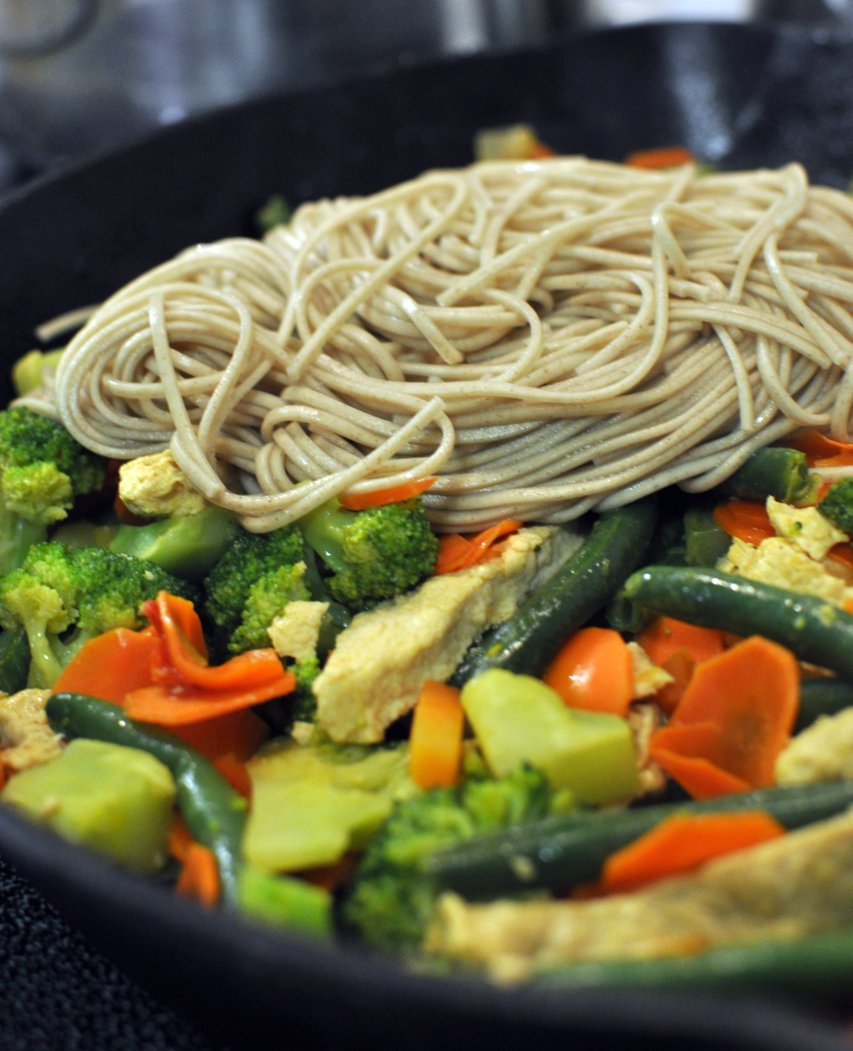
This was Monday night dinner for us – Chick’n Stir Fry.  That’s fake chicken stir fry.  It was Monday night, so I heated up the skillet and didn’t even bother to get the wok out.
Heat a couple tablespoons of peanut oil.  Then, stir fry 1 bag of frozen mixed stir fry veggies plus 1/2 a bag of frozen broccoli florets
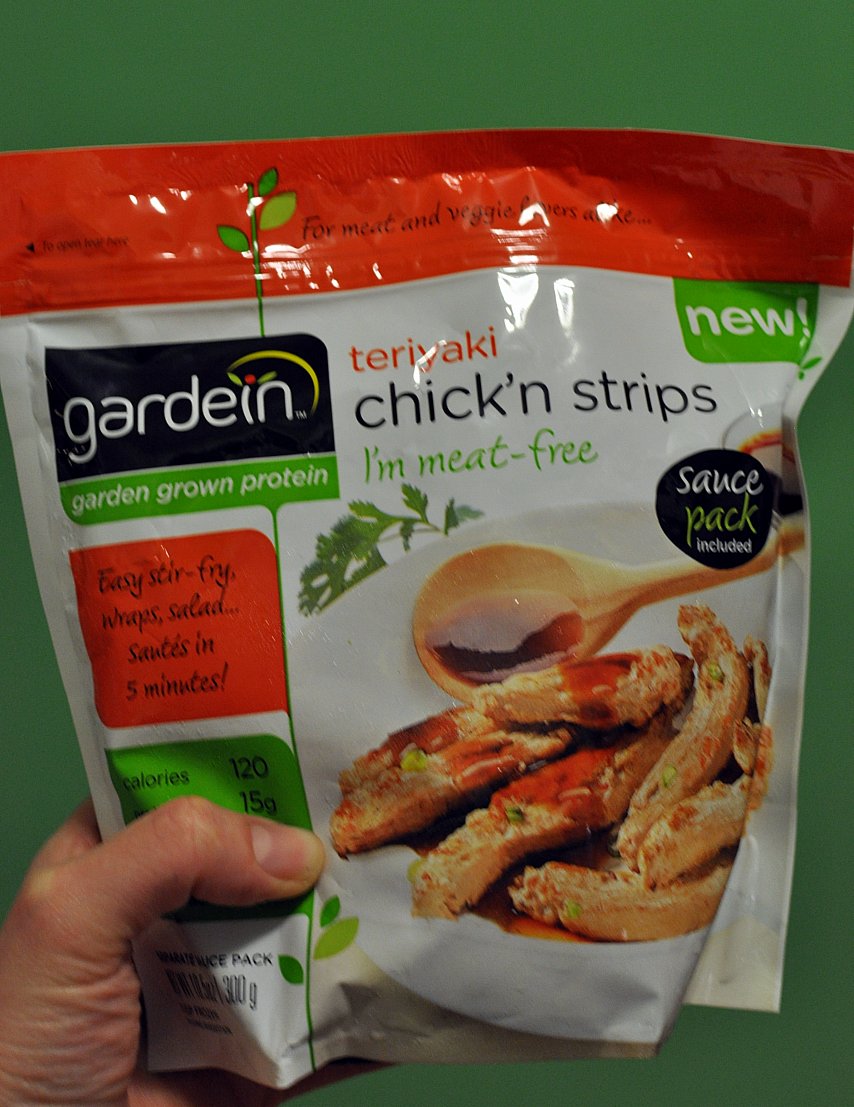
When the veggies were hot, I added in 1 bag of Gardein Chick’n Strips.  Cook until hot. 
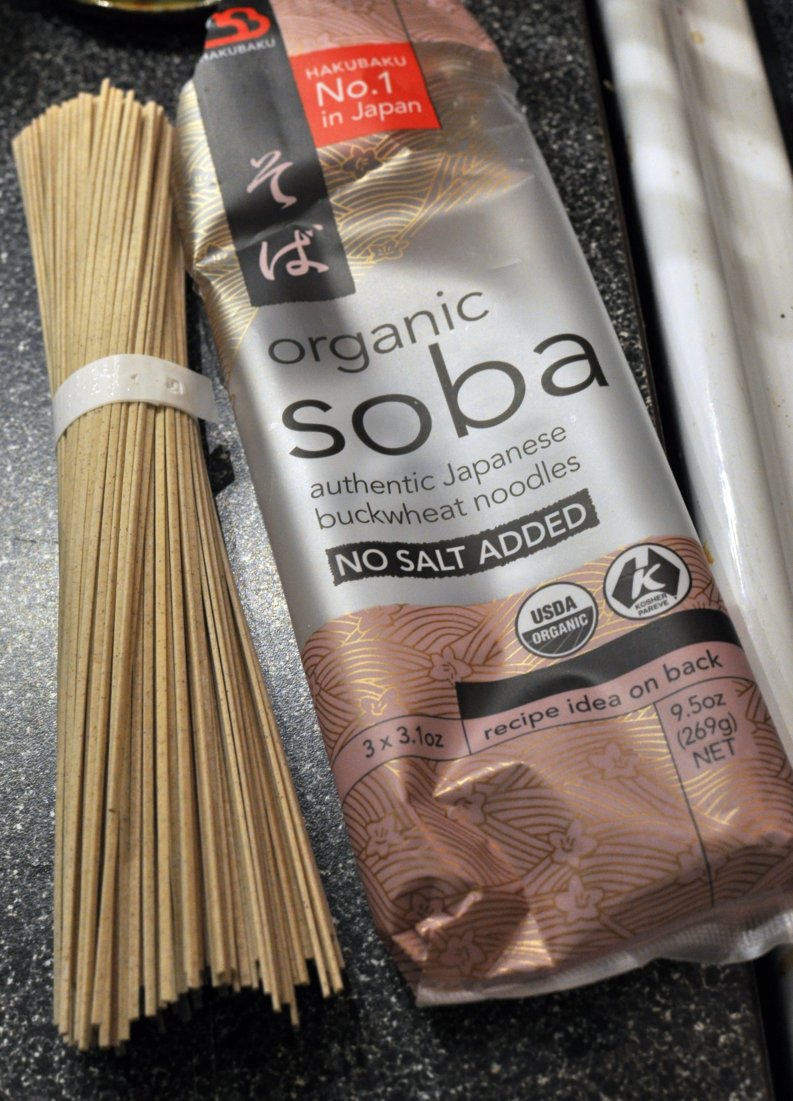
Meanwhile, bring water in a sauce pan to boil.  Add 1 serving Soba noodles and cook for 3 minutes.  Drain noodles.  
Add soba noodles to veggie mixture.  Mix well and add sauce of choice.  Serve hot.  
I used a sauce packet that came with the Gardein chick’n strips – it was too sweet for my liking though. Next time, regardless of the day of the week, I will just make my own sauce.  

Crayon Batik + Fluffer Nutter Hot Cocoa

This is a fun and easy art lesson you can do at home on a weeknight, a Sunday afternoon over hot cocoa, or even with your students.  My 6th graders are working on this project next week.  I love to cultivate a love of crayons – too often they are dismissed as elementary, and I believe they deserve a ranking of at least under graduate.
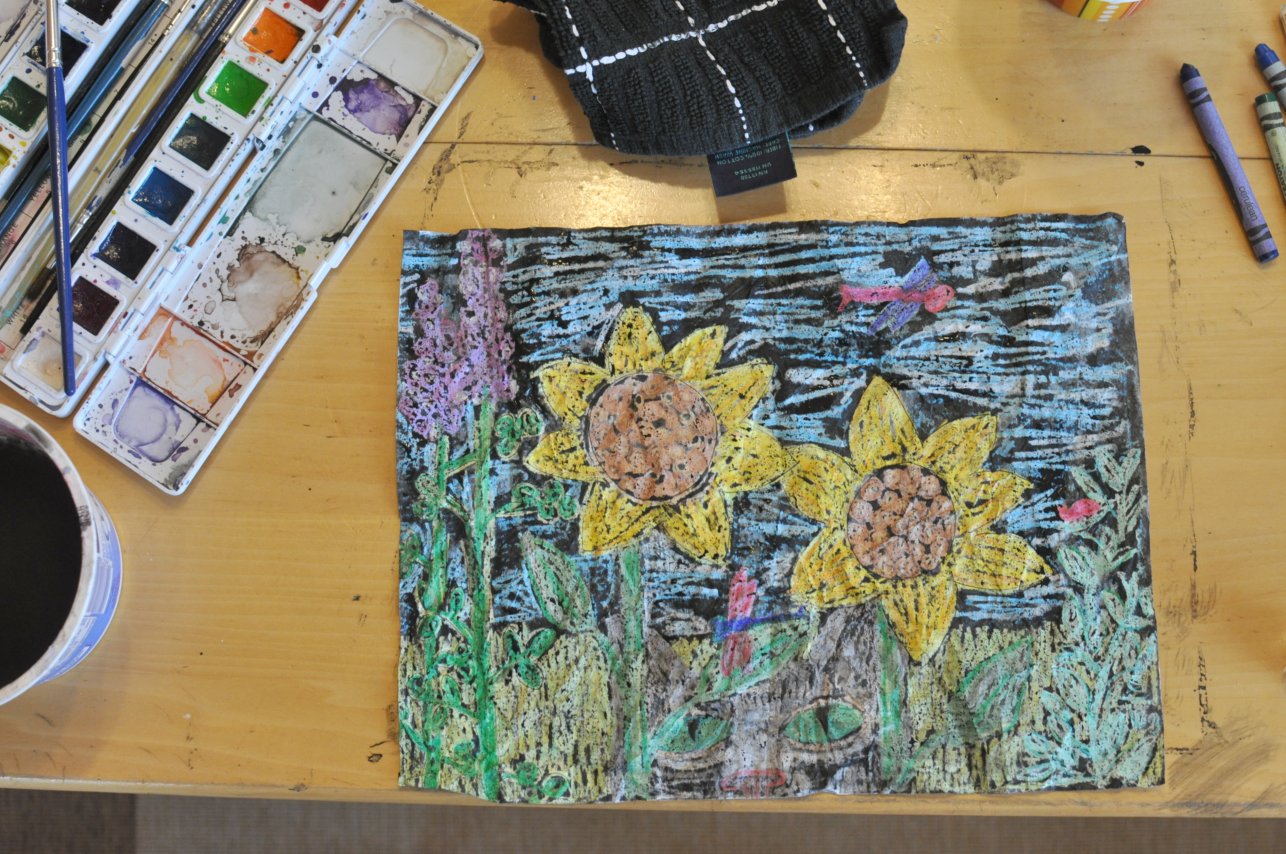
Step 1: Create a drawing using crayon.  Fill the entire page, corner to corner, edge to edge with crayon drawing.  I left the eye slits on the cat face exposed white paper, this way when I painted, they black paint would fill in, making the eye slits appear black.  Anything you want to stay white must be colored with a white crayon.  Also, try using a variety of colors and pressures.  The hard coloring vs. light coloring will be an important factor for resisting watercolor.  More on this resist technique is coming up.
Step 2: Cover entire paper in black watercolor paint.  You try other darker colors as well, but black will create the most vibrant contrast.  The paint will not stick to the waxy crayon, but rather resist and bead up on top of the crayon.  The paint will fill in small areas left untouched by crayon.  My students always ooh and aaah over this resist technique – it truly is magic!
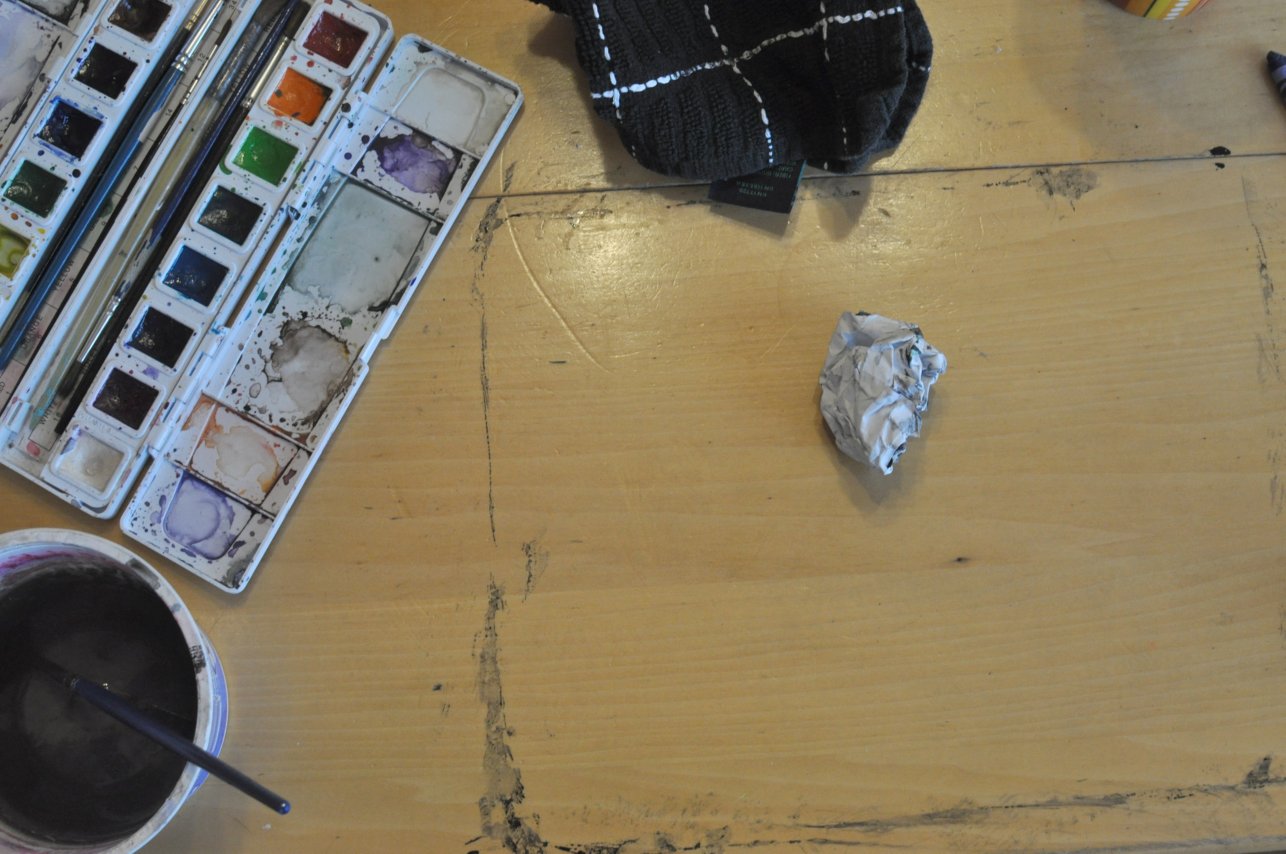
Step 3: Blot any excess puddle of paint off of paper with a rag or paper towel.  Then, crumple the paper into a ball.  This crumpling is what will give the look and feel of fabric for the batik style.  Notice the outline on the table – if you are a neat freak, put newspaper or the likes down before starting this project.  Otherwise, watercolor paint is very easy to clean up.  A wet rag will suffice.  
Step 4: Open the artwork up, smooth onto table top.  Add more paint.  The paint will collect in the creases of the paper and create the look of fabric that has been dyed with the batik method.  Allow to dry.  Once dried, you may color over it again, using light crayons to bring out highlights.
Hang in window or display on fridge.  I, personally like the window display because it gives this artwork the look of stained glass.
I suggest you make some decadent cocoa to go with your art-making project.  I seriously wish I could serve cocoa or something of the likes to my art students, I think they would be able to concentrate better with a fresh snack in their bellies.
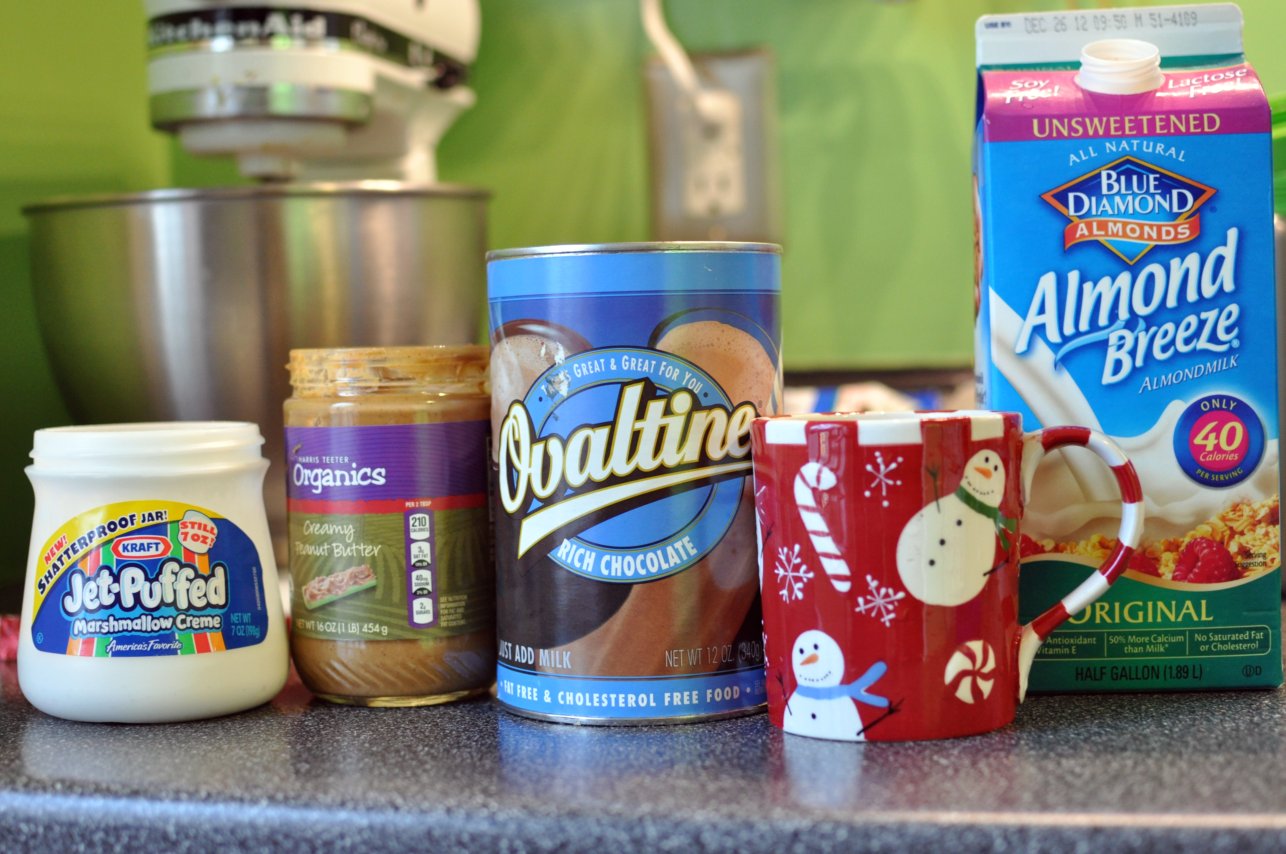
Fluffer Nutter Hot Cocoa – serves 1
In a mug: mix 4 teaspoons cocoa mix (such as Ovaltine Rich Chocolate mix), 1 teaspoon peanut butter, and 1 teaspoon marshmallow creme.  Fill mug with milk product of your choice.  Microwave about 2 minutes or until hot.  Stir well and serve with a marshmallow.
Note: there will be peanut butter chunks at the bottom, so if you prefer smoother cocoa you may want to heat in a saucepan on the stove top, whisking to create a smoother texture.
My opinion: Crayola Crayons truly is the best crayon brand.
You can’t beat Prang Watercolors either!